A Comprehensive Guide to Washing Your Crystals


Intro
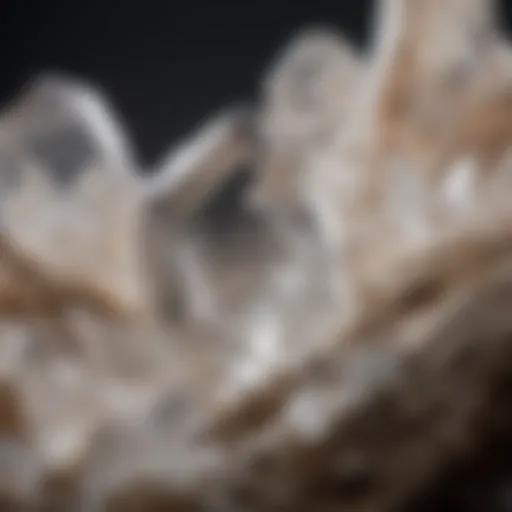
Washing crystals may seem trivial, but it's an essential aspect for both collectors and enthusiasts alike. Having a collection of beautiful stones is one thing, but ensuring they are well-maintained is another. In this guide, we will delve into various cleaning techniques, the implications of mineral composition on washing practices, and general considerations to maintain the integrity of your gems. Before we dive headfirst into the specifics of cleaning methods, let’s explore what these captivating crystals are and their significance in our world.
Topic Overview
Crystals, by definition, are solid materials where atoms are arranged in an ordered structure. These fascinating collections aren’t just pretty baubles; they hold geological stories and sometimes, deep metaphysical significance for many.
Brief History and Significance
From ancient civilizations using them as talismans to modern-day collectors, crystals have a rich history. Cultures have cherished them for their supposed healing properties, beauty, and even their role in the development of technology. Quartz, for example, has been pivotal in the creation of watches and various electronic devices, thanks to its piezoelectric properties.
The rising trend of collecting crystals has caught on like wildfire in the past few years. More than just a luxury for the affluent, crystals are now seen as gateways into nature’s elegance. Many individuals are drawn to them not only for their beauty but for their purported energetic properties, making them a formidable presence in both homes and spiritual practices.
In a nutshell, understanding crystals goes beyond aesthetics; it involves an appreciation of their story, symbolic meanings, and their unique physical characteristics.
Identification and Classification
Recognizing what type of crystal you have is the first step before embarking on the washing journey. Knowing their properties helps determine the appropriate cleaning techniques and solutions.
How to Categorize Items
There are countless varieties, but crystals can generally be classified into categories such as:
- Minerals: Naturally occurring substances that possess specific physical properties.
- Rocks: Composed of one or more minerals.
- Organic Crystals: Formed from living organisms, like pearls.
- Synthetic Crystals: Manmade, often for industrial or decorative purposes.
Tips for Identifying Key Features
To classify crystals effectively, keep the following attributes in mind:
- Color: Each crystal has its unique color profile that can hint at its mineral makeup.
- Hardness: Use the Mohs scale to determine a crystal's hardness; this will guide you in choosing cleaning methods.
- Luster: The way light reflects on the surface can reveal information about the crystal type; is it glassy, metallic, or waxy?
For more detailed classifications, consider consulting resources like Wikipedia or Britannica for comprehensive insights.
"To preserve the beauty and integrity of your crystals, knowledge is your best ally."
Crystals are not just items on a shelf, but pieces of art molded by time and nature. Proper washing not only respects their beauty but also allows collectors to connect deeper with these natural wonders.
Prolusion to Crystal Care
Caring for crystals isn’t just a chore; it’s an art and a science rolled into one. These gems, often seen as simple decorative elements, actually carry energy and meaning in various cultures. Taking proper care of them involves understanding how they interact with their environment and with us. In this section, we will delve into the nuances of crystal care, explicitly highlighting the need for regular cleaning and why neglect might lead to a disconnection from their intended energies.
Understanding the Need for Cleaning
Cleaning your crystals is akin to keeping them in peak form, like an athlete in training. When crystals come into contact with various energies or environments, they can absorb negativity or simply accumulate dust and grime. Regularly washing these treasured pieces ensures they maintain their vibrancy and potency.
- Retention of Energy: As crystals interact with emotional and environmental energies, they require cleansing to reset and retain their intended frequencies.
- Physical Condition: The accumulation of dirt, oil, or residue can tarnish the visual appearance of crystals. A crystal that sparkles is not just pleasant to look at; it's also a reminder of its energetic properties.
- Mindfulness Practice: Cleaning your crystals isn’t just a physical act; it’s an opportunity to engage in mindfulness. The process can be meditative, allowing you to reflect on the intentions you set when you first acquired the crystal.
To sum it up, neglecting to clean your crystals can stifle their potential, making them less effective in your holistic practices. Just like one wouldn’t run a marathon without a proper warm-up, crystals too need their upkeep to shine in their full glory.
The Role of Crystals in Holistic Practices
Crystals hold an esteemed position within various holistic practices, often viewed as conduits for energy and wellness. They are utilized not just for their beauty, but for their purported abilities to influence emotional healing, promote clarity, and ground energies. The role they play can be illustrated through several key points.
- Energy Amplifiers: Crystals are believed to amplify energies, making them powerful tools in meditation, yoga, and other spiritual practices. The intent behind using them can greatly enhance experiences.
- Balance and Harmony: Each crystal has unique properties. For instance, amethyst is said to promote calmness, while citrine is known for attracting abundance. Using the right stone at the right time can restore equilibrium in one’s life.
- Enhancing Intuition: Many practitioners note that certain crystals can help clarify thoughts and promote intuitive understanding. They serve as guides, helping individuals navigate emotional complexities.
Understanding these roles not only elevates the importance of cleansing but also points to why careful maintenance is crucial. By ensuring that crystals are washed and invigorated, one can forge a stronger connection, fostering more profound experiences in personal practices. As with any tool of power, their integrity depends on how well they are cared for.
Fundamental Principles of Washing Crystals
When it comes to the care of your crystals, understanding the fundamental principles behind washing them isn’t just a nice-to-know; it’s essential. This part of the guide lays the groundwork for effective cleaning practices while helping you retain the integrity and beauty of your precious stones. The choices you make here influence not only the longevity of your crystals but also their energy and appearance.
Choosing the right washing method depends on various factors, and it’s vital to consider those before getting your hands dirty. From hardness and composition to potential hazards, every detail counts.
Assessing Crystal Composition
Soft vs. Hard Crystals
The distinction between soft and hard crystals plays a critical role in any cleaning endeavor. Soft crystals, such as selenite, can be quite sensitive to aggressive cleaning methods. They tend to scratch and degrade if exposed to too much friction or harsh chemicals.
In contrast, hard crystals like quartz possess a toughness that allows them to withstand more rigorous treatment. This means that while you can confidently scrub a quartz crystal with a brush, a soft crystal might just end up getting damaged in the process.
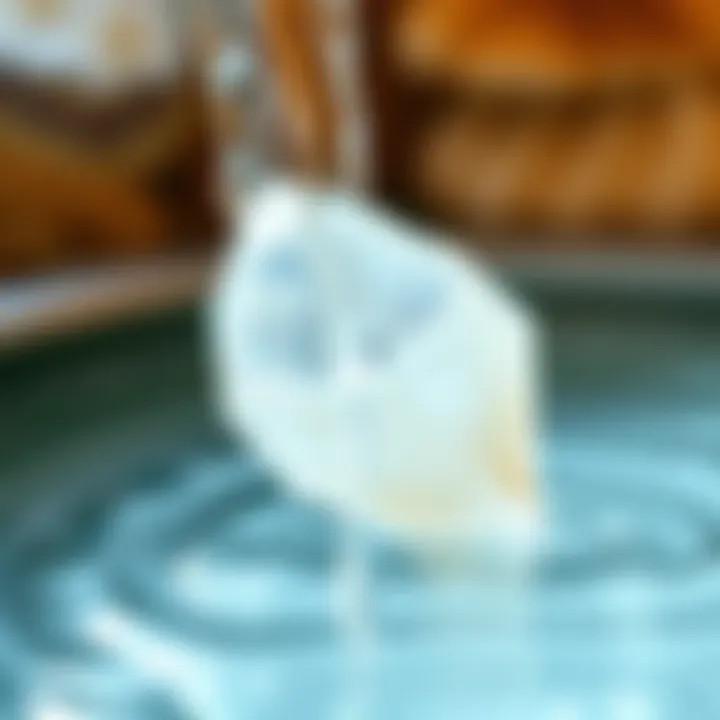
It's a common scenario—someone excitedly tackling a cleaning task without first knowing their crystal. Paying attention to this difference can save you from a hair-pulling moment when you realize your precious selenite has suffered irreversible damage. Being mindful of these characteristics not only protects your collection but also keeps the gems radiating their unique energies.
Mineral Solubility
Now, let’s chat about mineral solubility. This involves understanding how different crystals react when they come into contact with water or various cleaning solutions. Some minerals dissolve readily; others remain stable and unaffected. For instance, halite dissolves completely in water, while iron-based minerals like hematite do not.
The significance of solubility lies in ensuring you’re using appropriate cleaning methods. Using plain water is often safe, but for certain minerals, even that could be problematic. Knowing what can and can’t be submerged might save you from a watery disaster where your favorite stone simply disappears.
This awareness can largely shape your cleaning routine, whether you’re rinsing them under running water or opting for alternative methods.
Identifying Potential Hazards
Toxicities and Crystalline Structures
Toxicity in crystals is a less-discussed but crucial topic. Some stones, when broken down or scratched, can release toxic compounds. For instance, the mineral orpiment, known for its striking yellow color, contains arsenic, making it hazardous if mishandled.
One must approach these crystals with caution, ensuring that when they are washed, they are not ingested or inhaled in any form. Understanding these hazards adds another layer to your comprehensive cleaning approach. Collectors often skip this detail, but knowing the potential dangers can help keep you safe.
Environmental Considerations
Finally, let's consider environmental factors. The methods used in washing your crystals have varying implications on the surrounding environment. Some techniques, including the excessive usage of chemical cleaners, can harm aquatic systems if runoff occurs. Moreover, if you're utilizing salt-based formulas, be wary, as they can affect soil and nearby plants negatively.
Using a mindful approach not only protects your beloved crystals but also promotes environmental conservation. It’s a balancing act—caring for your collection while taking responsibility for the world around you. Ultimately, fostering such awareness makes your journey into the world of crystals both fulfilling and respectful.
"A crystal is more than a mere rock; it’s a piece of the Earth, holding within it the energies of that moment in time."
Capturing these fundamental principles sets a firm foundation for the deeper methods of cleaning explored later in the guide, equipping collectors with both knowledge and confidence.
Methods for Washing Your Crystals
When it comes to crystal maintenance, knowing how to properly wash them is of utmost importance. Not only does this process significantly enhance the aesthetic appeal of your crystals, but it also ensures that their energy remains effective and vibrant. Crystals can accumulate negative energies, dust, and particles over time. Introducing various washing methods gives you tools to ensure that your crystals are not just visually clean, but energetically clear.
Simple Water Method
The Simple Water Method stands out as one of the most direct and intuitive ways to cleanse crystals. This technique involves the use of plain, clean water, allowing it to flow over the surface of the crystals, washing away impurities and stale energy.
Procedure Steps
- Choose Your Crystals: Begin by selecting the crystals you wish to cleanse. Ensure they're suitable for water exposure.
- Gather Supplies: All you need is a bowl and clean, preferably filtered water.
- Submerge the Crystals: Place the crystals under running water or immerse them in still water for a few minutes.
- Gently Scrub: If necessary, use a soft brush to remove stubborn residues.
- Rinse and Dry: After cleansing, rinse the crystals under running water again and dry with a soft cloth.
Using this method is popular because it’s straightforward and requires minimal equipment. However, it is crucial to know that certain crystals may be harmed by prolonged exposure to water. For instance, selenite or halite should be avoided in this cleansing technique since they are water-soluble.
Best Practices
To make the most of the Simple Water Method, consider these best practices:
- Check Mineral Composition: Before using water, always ensure the crystal can withstand it. A quick online search can provide necessary insights.
- Use Natural Water Sources: Natural, flowing water, like from a river, can be more effective than tap water due to its natural energetic properties.
- Limit Frequency: Avoid over-cleaning your crystals; once a month is generally sufficient unless you feel they require more attention.
Salt Water Technique
The Salt Water Technique is revered for its deep cleansing properties, making it a go-to for many crystal enthusiasts. Salt water is often believed to absorb negativity and restore balance.
Preparing the Salt Solution
This method requires creating a saline solution, which needs to be approached carefully.
- Choose Your Salt: Himalayan pink salt or sea salt is often preferred due to their mineral content.
- Mix with Water: Combine about one tablespoon of salt per cup of warm water. Ensure it dissolves completely to prevent any residue on your crystals.
- Let it Cool: Allow the solution to come to a comfortable temperature before submerging your crystals.
This approach is popular because of salt's reputed ability to absorb and cleanse negative energies. However, similar to the Simple Water Method, care is needed to avoid using it on sensitive crystals.
Duration and Effectiveness
Keeping crystals in a salt solution typically ranges from a few hours to overnight, depending on the crystal type and level of cleansing needed.
- Monitor the Crystals: If you notice any discoloration or change in texture, it might be wise to remove them sooner.
- Re-energizing: Some collectors swear by the effectiveness of salt water, stating that their crystals feel "recharged" post-cleansing.
However, utilizing this method too frequently can lead to the crystal degrading, especially with softer minerals.
Natural Cleansing with Soil or Earth
Cleansing your crystals with soil or earth is one of the oldest methods in the book, tying strongly to natural energies.
Methodology and Rationale


This method encourages the idea that placing crystals in the earth allows them to reconnect with Mother Nature’s grounding energies.
- Select a Spot: Choose an outdoor area where you feel a strong energetic connection.
- Bury the Crystals: Dig a small hole, place the stones inside, and cover them well.
- Duration: Leave them buried from a day to a week, depending on your feelings towards their condition.
This technique emphasizes the natural cycle of rejuvenation. However, not all crystals are suitable for burial; those with sensitive finishes may suffer.
Timeframes for Optimal Cleansing
As mentioned, the duration can vary significantly. Generally, these timeframes are effective:
- 24 Hours for Regular Crystals: Many see a noticeable difference in their energy after a day.
- Up to a Week for Deeper Cleansing: If you’ve had a crystal for a long time or feel it’s seen better days, a week might do wonders.
This method allows for a thorough re-energization of the crystals, but remember to mark where you've buried them to avoid misplacing your treasures.
Using a Smudging Process
Smudging is often bathed in cultural significance and is deeply rooted in various traditions. It's an excellent way to cleanse crystals without physical contact with water or salt.
Materials Needed
To perform smudging, you'll require:
- Sage or other herbs: Common choices include white sage, sweetgrass, or palo santo.
- A Fireproof Dish: This will collect ash and catch embers.
- Crystals: Ensure you have your desired crystals ready for cleansing.
This method is cherished by those who favor spiritual cleansing approaches. However, proper technique is critical to avoid accidental smoke inhalation or damage.
Step-by-Step Guide
- Prepare your Environment: Ensure a safe, ventilated space to smudge.
- Ignite the Sage: Light the end of the sage stick and allow it to catch fire briefly before blowing it out.
- Smudge the Crystals: Hold each crystal above the smoke, ensuring to rotate it so the smoke envelops it completely.
- Set Intentions: This is a powerful time to set your intentions for the crystal's use or to release negativity.
This technique allows for a spiritual cleansing that reaches beyond just physical attributes. However, care must be taken regarding fire safety.
Ultrasonic Cleaning Devices
For collectors with extensive collections or intricate gathering needs, ultrasonic cleaning devices serve as an efficient modern solution.
How They Work
Ultrasonic cleaners utilize waves to create microscopic bubbles in a cleaning solution which clean surfaces without damaging them. They can effectively clean intricate and delicate spheres or clusters that hand cleansing might miss.
- Easy Operation: Simply add a suitable detergent to the water, submerge your crystals, set the timer, and you’re ready to go.
- Time-Saving: They provide effective cleaning in a fraction of the time compared to manual methods.
However, exercise caution. Not all crystals respond well to this method due to fragility.
Selected Crystals and Cautions
It's important to remember that while ultrasonic cleaners can be beneficial, certain types of crystals should be avoided including:
- Soft Crystals: Malachite or turquoise should not be placed in ultrasonic cleaners because they can scratch or dissolve.
- Unique Textures: Pearls and other porous stones are ill-suited for this method, as the vibrations may cause damage.
Understanding the dynamics of ultrasonic cleaning can offer an intriguing twist to your cleaning process : while it can be extremely effective, a discerning collector will know their limits.
Post-Washing Care for Crystals
Taking care of your crystals doesn’t end with washing. In fact, post-washing care is crucial to maintaining their vibrancy and energy. Once the dust and grime have been banished, the next step in the process becomes essential: ensuring that your crystals not only dry properly but also regain their full potential through recharging. This section will explore how to appropriately dry your crystals and engage in recharging rituals that keep your crystals working like a well-oiled machine.
Drying Your Crystals
Avoiding Residual Moisture
After washing, the most important task is to avoid residual moisture on your crystals. Any leftover water can lead to several problems, including mineral degradation or even the growth of mold on certain types of crystals. The fragile structures of crystals are sensitive; this moisture can compromise their integrity over time.
To effectively manage moisture, it’s best to gently pat your crystals dry with a soft, lint-free cloth. This method is popular because it’s thorough, allowing you to remove moisture from crevices without the risk of scratching the surface. Crystals like selenite and malachite are particularly susceptible to damage from water, and any excess moisture on their surfaces could potentially lead to deterioration.
Consider the specific characteristics of your crystals; some, like quartz, are a bit more resilient, while others need a tender touch. Thus, adopting this careful approach is a beneficial choice in avoiding long-term damage after a washing ritual.
Safe Drying Techniques
When it comes to safe drying techniques, allowing crystals to air dry is generally the best route. Place them on a paper towel or a soft cloth in a shaded area. This ensures that they dry evenly and reduces the risk of exposing them to harsh sunlight, which could warp or even fade certain stones.
It’s always a good idea to rotate the crystals occasionally during the drying process to avoid uneven drying, which can sometimes lead to frustrating water spots, especially on shiny surfaces. This basic technique is both effective and straightforward, providing a level of care that respects the nature of your crystals.
In embracing these drying practices, you are ensuring that your crystals can continue to perform their intended functions, well-recharged and gleaming for your next usage.


Recharging and Energizing
Sunlight vs. Moonlight
Recharging your crystals post washing is essential for ensuring they maintain their powerful energies. The two most common methods are using sunlight and moonlight. Sunlight is often considered an energetic boost, infusing your crystals with warmth and vibrance. However, you should exercise caution: not all crystals fare well under the midday sun. For instance, amethyst and rose quartz can be prone to fading if overexposed.
Moonlight, by contrast, offers a gentler approach to recharging. The soothing, silvery light of a full moon is perfect for delicate crystals and is particularly helpful for those invested in more spiritual or healing aspects. For many, lunar energy promotes a sense of calm and renewal, making it a preferred choice for meditation or energy work.
The unique feature here is how both methods can complement one another. Selecting between sunlight and moonlight comes down to the specific crystal in question and the energy you seek to cultivate.
Using Other Crystals
Another method for recharging is using other crystals. This practice harnesses the natural energies of different stones to bring your treasured crystals back to life. For example, placing a less fragile crystal, like clear quartz or selenite, next to another crystal can facilitate the transfer of energy. This technique often works well in a crystal grid setup, where the collective energy harmonizes to enhance individual stones.
The beauty of this method is its versatility. You can experiment with various combinations based on the energies you wish to enhance or balance in each stone. However, it’s essential to have a clear understanding of the compatibility of the crystals; mixing incompatible energies can lead to muddled results and even destabilize those energies you are looking to enhance.
"The gentle art of crystal care extends far beyond cleaning; how you care for them after washing can shape their effectiveness in your journey."
By incorporating these insights into your post-washing care routine, you're not just protecting your crystals from harm but actively engaging in practices that enhance their effectiveness. This holistic care approach creates a fulfilling relationship between you and your precious stones, maximizing their beauty and energy for all their intended uses.
Alternative Cleaning Rituals
When it comes to the world of crystals, washing isn't the only method to keep your gems vibrant and full of energy. Alternative cleaning rituals play a significant role, especially for those looking to enhance the vibrational frequency of their stones. These methods can add a deeper, more holistic dimension to crystal care, inviting practices rooted in ancient traditions and modern metaphysical understandings.
Sound Vibrations
The Role of Sound in Cleansing
Sound has a profound influence when it comes to cleansing crystals. The idea is that sound waves can permeate the structure of the crystals, helping release stagnant energies and allowing for a refresh of their natural state. One key characteristic of sound cleansing is its inherent ability to resonate with the molecular structure of the crystals. By using specific frequencies, you can effectively harmonize and revitalize your stones. This method is growing in popularity, especially among crystal enthusiasts who appreciate a more energetic approach to cleansing rather than simply washing them. It’s worth noting that while effective, sound cleansing requires a bit of patience and awareness of the nuances involved.
"Cleansing with sound is like giving your crystals a gentle shower of vibrations, washing away the heaviness without any physical dampness."
Types of Sound Instruments
There are a variety of sound instruments commonly employed in crystal healing. Some favorites include singing bowls, tuning forks, and drums. Each of these instruments has its own unique resonance, which can interact differently with various crystals. For instance, crystal singing bowls not only create beautiful sounds but are also made from the same minerals that compose some of the stones you may be working with. This helps amplify the cleansing process. Choosing the right instrument often comes down to personal preference and the specific characteristics of the crystal in question. However, be cautious, as some crystals may react unfavorably to high frequencies or too much intensity.
Crystal Grid Cleansing
Creating a Cleansing Grid
Crystal grid cleansing takes the concept of energy alignment to a whole new level. By arranging crystals in a geometric pattern, you harness their collective energy, fostering a more potent cleansing experience. The main aspect of creating a grid is intentionality; how you place each crystal can affect the energy flow. This method stands out as a beneficial choice because it doesn't just focus on cleaning one stone but rather amplifies the energies of multiple stones together. Nonetheless, the complexity of the grid might seem daunting for beginners. Having a clear plan before starting can mitigate this.
Best Crystals for this Method
For effective crystal grid cleansing, certain crystals stand out as being particularly well-suited for the task. Clear quartz, for example, is renowned for its amplifying properties, making it a cornerstone in many grids. Amethyst can bring calm and clarity, while black tourmaline offers protective energies. The unique feature of using these crystals is their ability to enhance the grid's overall effectiveness. However, one should be cautious; some crystals may clash energetically, leading to an undesired outcome.
In summary, alternative cleaning rituals like sound vibrations and crystal grid cleansing provide depth to the care and maintenance of your crystals. These methods invite a more energetic perspective, allowing you to connect with your stones in a meaningful way. Navigating these practices may require a bit of learning and experimentation, but the results can be immensely rewarding.
Concluding Thoughts on Crystal Maintenance
The practice of maintaining crystals goes beyond mere aesthetics; it plays a pivotal role in their effectiveness and longevity within your collection. As with any treasured item, crystals accumulate energies and impurities over time. Therefore, establishing a cleaning routine can greatly enhance their vibrational quality and ensure they function as intended within various holistic practices.
Establishing an Ongoing Cleaning Routine
Creating a consistent cleaning schedule for your crystals is essential. Think of it as a relationship—you wouldn’t neglect the things you care about. Depending on the crystal type, the environmental influences, and how often you use them, setting up a monthly or bi-monthly cleaning might be advantageous.
- Calendar Alerts: Setting reminders on your phone can help create this habit.
- Designated Cleaning Space: Choose a specific area in your home for crystal care. With everything in one spot, it feels more organized and manageable.
- Tools at the Ready: Keep your cleaning supplies handy—soaking containers, salt, cloths—everything you need in one place can make the task feel less daunting.
Listening to Your Crystals
Crystals, unlike most inanimate objects, are believed to embody their energy, meaning they can reflect back the state of your surroundings or your inner self. Paying attention to them can be vital for proper care.
Understanding Energy Shifts
When you notice a change in how a crystal feels or appears, it might signal a need for cleansing. This concept of energy shifts refers to how crystals can absorb energies from their surroundings, including emotional states or physical environments. Take amethyst, for instance; it might start feeling heavier or exhibit cloudiness if it's been working hard during periods of emotional intensity.
This shift is not just a singular effect; it can indicate that the crystal has absorbed negativity or other disruptive forces. In this instance, taking action to cleanse the crystal isn’t just beneficial; it’s necessary to restore its full functionality.
Signs that Indicate Cleaning is Needed
Recognizing the signs that a crystal requires cleaning can save you from neglect. Some of the telltale signs are:
- Dullness or lack of luster in the crystal surface
- Unusual temperature changes when held—too warm or excessively cold
- A feeling of heaviness, making them less enjoyable to hold or work with
- Personal intuition; sometimes you simply know it’s time to give them a wash.
These markers matter as they guide you in maintaining not just your crystals' beauty but also their ability to assist you effectively. With this knowledge in hand, you'll find that being attuned to your crystals can lead to a more rewarding experience both in collection and in daily practice.
"The connection you nurture with your crystals can enhance their purpose and power in your holistic journey."
In sum, crystal maintenance is more than scrubbing with soap and water. It’s about establishing a mindful approach to caring for your collection, ensuring you continue to honor their unique energies and the roles they play in your life.