Exploring the Characteristics of Novaculite Stones


Topic Overview
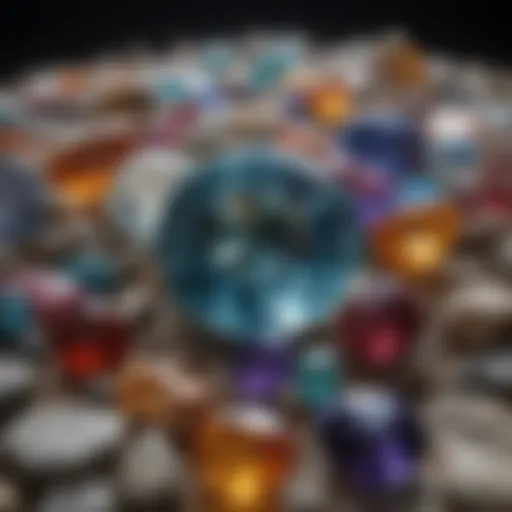
Novaculite sharpening stones hold a special place in the world of tools and craftsmanship. But what exactly is novaculite? To put it simply, novaculite is a dense, hard, and fine-grained sedimentary rock. What stands out about it is its varied color range—ranging from whites and grays to shades of green, blue, and even black. Formed from silica-rich deposits over millions of years, these stones have naturally evolved to become exceptional elements for sharpening a wide array of tools.
Historically, novaculite has also been prized for its utility beyond just sharpening. Native Americans and early settlers utilized this rock not only for tool maintenance but also for making tools themselves. When you encounter a novaculite stone, you're not just holding a tool; you're bearing witness to the craftsmanship of ages past. The cultural significance of novaculite reflects its long-standing role in human ingenuity. It offers much more than functionality; it narrates the story of people adapting their environments to secure tools for survival.
Identification and Classification
How to Categorize Novaculite
When diving deeper into novaculite, understanding its classification can be quite enlightening for collectors. Broadly, novaculite can be categorized based on its color, texture, and origin. Each variation can hint at how it might be used effectively for sharpening tools and blades. For instance, the white novaculite, often found in the Ouachita Mountains of Arkansas, is revered in specific sharpening applications due to its fine texture. Contrarily, darker shades are sometimes denser and may offer a different sharpening experience.
Tips for Recognizing Key Features
So, how can a collector or novice spot quality novaculite? Here are a few pointers:
- Visual Examination: Look at the stone carefully. Quality novaculite often has a glossy sheen, and its surface appears smooth with few visible flaws.
- Feel the Weight: Novaculite, despite its small size, usually weighs a good deal more than other stones. This weight often correlates to its density and sharpening capabilities.
- Scratch Test: While more aggressive, scratching the surface (with caution) can help identify novaculite’s hardness. If it stands up to pressure, it’s promising for tool maintenance.
"Understanding different novaculite types and features can greatly improve sharpening methods, ensuring that tools last longer and perform better."
When selecting novaculite stones, both collectors and craftsmen delve into deeper investigation, bridging the gap between mere ownership and the appreciation of the stone's intrinsic qualities.
In the end, novaculite sharpening stones aren’t just tools of trade; they're geological artifacts that reflect our history. They’re tangible connections to the craftsmanship of yesterday, and their relevance persists in today's sharpening practices. As the exploration continues, collectors and users alike will find joy not just in sharpening but in the journey of understanding these captivating stones.
Understanding Novaculite
Understanding novaculite sharpenig stones is akin to grasping a piece of history, geology, and expertly honed craftsmanship all wrapped up in one. These stones have been used for centuries, now standing the test of time and emerging as a preference among tool aficionados and sharpening experts alike. With their unique composition and properties, novaculite stones aren’t just functional; they carry a legacy that deserves attention.
Geological Origins
Novaculite finds its roots deep within the formation of ancient seafloor deposits, specifically made of microcrystalline quartz and chert. Originating over millions of years ago, this stone reflects a remarkable history of geological processes. These deposits resulted from the sedimentation of siliceous microorganisms and other materials that eventually fossilized into the dense stone we utilize today. Its most famed locales of origin include the Ouachita Mountains in Arkansas, where the unique characteristics of this material have drawn countless collectors and experts.
Every slab of novaculite is like a tape recording of Earth’s past. The environmental conditions and geological happenings of the time are sedimentarily imprinted onto its surface, making it not just a tool but a connection to the planet's own history.
Physical Properties
When it comes to physical characteristics, novaculite is nothing short of fascinating. Its hardness typically ranges from 5.5 to 7 on the Mohs scale, making it exceedingly effective for sharpening cutting tools. Also, it's fine-grained and dense, which contributes to its ability to produce a razor-sharp edge. The texture can vary from smooth to somewhat rough, but ideally, a honing surface is needed to achieve a pristine finish.
Notably, novaculite is also renowned for its versatility. Whether you’re sharpening a knife, a chisel, or any tool requiring a keen edge, its unique ability to adapt to different sharpening methods offers unparalleled convenience. Understanding these properties is crucial for selecting the right novaculite stone for the job at hand.
Formation Process
The formation of novaculite is a marvel in itself. This rock material undergoes a transformation from a soft accumulation of organic matter in seawater into a solid and capable stone due to geological forces over millions of years. Factors such as pressure, temperature, and mineral composition eventually crystallize these sediments, yielding the striking sharpening stones.
The process begins when siliceous deposits, mostly from marine life, accumulate on the ocean floor. With the continual sedimentation and subsequent burial of these deposits, heat and pressure gradually alter their structure. This metamorphosis creates the tough, durable characteristics found in novaculite today.
Moreover, the very nature of its formation presents a concept quite unique: novaculite embodies not only a tool but a testament to the Earth's gradual evolutionary processes. This is a crucial aspect for those who appreciate the natural history behind their tools, further enriching the experience of using novaculite sharpening stones.
The Role of Novaculite in Tool Sharpening
The use of novaculite in tool sharpening is a practice steeped in rich history and practicality, reflecting an intersection of geological artistry and craftsmanship. In this section, we will delve into the pivotal aspects of novaculite's function in sharpening tools, highlighting its importance not only as a physical medium but also as a cultural artifact that has shaped the way we maintain our tools. Understanding the significance of novaculite in sharpening can greatly enhance both one's skills and appreciation of this unique stone.
Historical Significance
Novaculite has a historical legacy that stretches back thousands of years. Early societies recognized the potential of this fine-grained stone for crafting tools and weapons. Archaeological finds indicate that Native Americans were among the first to use novaculite, particularly in the southern United States. Sites like the Ouachita Mountains in Arkansas reveal numerous artifacts, showcasing how ancient peoples employed novaculite to create sharp edges for hunting and daily tasks.
The significance of novaculite crystallized in various cultures, serving not just a practical purpose but becoming intertwined with their identities. For instance, many tribal communities believed that the process of sharpening tools using novaculite was imbued with a spiritual significance, reflecting a connection to nature and craftsmanship that transcended mere utility. The quality of the artifacts from these times is evidence of how proficient cultures became in using local resources effectively.


In terms of everyday usage, novaculite provided an advantage over other sharpening materials. Its consistent texture and unique mineral composition made it feasible for people to achieve finely honed edges without the need for complex machinery. This simplicity, coupled with effective results, forged a bond between the stone and tool users.
"To the craftsman, each sharpening stone tells a story, an echo of generations past that shapes the present."
As civilization progressed, the introduction of metal tools created new demands for effectiveness in sharpening methods. However, novaculite remained a favored choice due to its unparalleled sharpening abilities, even as competition arose from synthetic materials. Knowing its historical usage can provide insights into modern practices and help us appreciate the durability and artistry rooted in novaculite.
Modern Applications
Today, novaculite remains a staple in the toolbox of many craftsmen—from chefs honing their knives to woodworkers maintaining their tools. The enduring nature of novaculite has carved it a niche in contemporary applications, appreciated by professionals and hobbyists alike. Its effectiveness stems from its natural hardness and layered structure, allowing for precise sharpening that produces superb results.
In kitchens, for instance, chefs often turn to novaculite stones to keep their knives razor-sharp. The fine-grained surface allows for minute adjustments that enhance performance without risking damage to the steel. Similarly, in woodworking, artisans rely on novaculite to carefully shape chisels or planes, ensuring each cut is clean and defined.
Even in the realm of hobbyists and collectors, novaculite holds allure. Its aesthetic appeal, coupled with its practical use, makes it a coveted item for those who cherish both beauty and function. Collectors often seek stones from specific regions known for quality novaculite. The appreciation for these characteristics has sparked a renewed interest in traditional sharpening practices, leading to a renaissance of craftsmanship that underscores the importance of the stone.
Furthermore, the rise of online platforms and social media has facilitated the sharing of techniques and knowledge, creating a community around novaculite sharpening. Forums and groups dedicated to stone sharpening share tips and experiences, elevating the craft to new heights. This interactivity has curtailed the knowledge gap—something once limited to localized expertise is now globally accessible.
Selecting a Novaculite Sharpening Stone
Choosing the right novaculite sharpening stone is a critical aspect for anyone who values their tools and craftsmanship. Getting this part right not only boosts the performance of your blades but also extends their lifespan. For rock and fossil collectors, having a good sharpening stone means you can maintain the quality of various field tools, enhancing precision in the delicate work of collecting and cleaning specimens.
Assessing Quality
When you're looking at novaculite sharpening stones, quality assessment is paramount. Not all stones are created equal, and there are at least a few factors to keep in mind that set the good ones apart.
- Color and Veins: The hue and any visible veining can tell you a lot about the stone’s origin. High-quality novaculite tends to showcase a uniform color with subtle patterns.
- Hardness: You can generally gauge hardness based on feel. Cleverly enough, the harder the stone, the better it will hold up as a sharpening medium. Use the ‘fingernail test’—if you can scratch it with a fingernail, look for something tougher.
- Surface Texture: A smooth surface allows for finer sharpening, while a more textured stone can work well for initial shaping. Check for any imperfections—that indicates lower quality.
"A sharp blade is a safe blade; that's why selecting the right stone matters."
Choosing the Right Grit
The grit of a novaculite stone plays a significant role not only in sharpening effectiveness but also in the level of finish you achieve on your tools. Here's what to consider:
- Coarse vs. Fine: Coarse grits (around 120-400) are suitable for repairing damaged blades and achieving a quick edge, while fine grits (600-2000) are perfect for polishing to razor-sharp finishes.
- Environment and Use: Think about where and how you’re going to use your tools. For rough outdoor conditions, you might prioritize a coarser stone to get the job done, while a finer stone could be what you need for delicate indoor work.
- Progressive Use: Many experts recommend starting with a coarse stone and working your way up to a fine grit, ensuring a balanced edge that retains sharpness longer.
Size and Shape Considerations
Size and shape are often overlooked yet crucial aspects when selecting a novaculite sharpening stone. Here’s how to navigate the options:
- Length and Width: Bigger isn’t always better. Consider the type of tools you are sharpening. A small knife may warrant a smaller stone for easier maneuverability.
- Shape: The shape of the stone can greatly affect sharpening technique. Flat stones are versatile, while convex stones can be optimized for curved blades.
- Weight: Lighter stones are portable but may require more application during use. Heavier stones inherently provide more stability but could be cumbersome.
By taking the time to assess quality, choose the right grit, and consider size and shape, you’ll ensure that your novaculite sharpening stone will serve you well in your collecting expeditions, ultimately enhancing both your tools and your experience as a collector.
Using Novaculite for Optimal Results
Sharpening tools can be a meticulous process. However, using novaculite stones can elevate this practice to a commendable art form. The right techniques can turn the mundane act of sharpening into a rewarding experience. Understanding how to harness these stones effectively is essential for anyone looking to maintain their tools in prime condition.
Basic Sharpening Techniques
Starting with the basics, the approach to sharpening with novaculite can be broken down into a few simple steps. First, select the appropriate side of the stone based on the level of dullness of the tool. As novaculite stones come with varying grits, beginners should choose a finer grit for touch-ups but might want to start with a coarser grit if the blade is significantly blunt.
- Preparing the Stone: Before embarking on sharpening, ensure the stone is moistened. While the exact method can differ, a splash of water or a few drops of oil can help create a smooth surface for sharpening.
- Angle Maintenance: Hold the tool at a consistent angle—typically between 15 to 20 degrees—for optimal results. This stabilization is crucial for maintaining a sharp edge; inconsistency can lead to uneven wear.
- Smooth Strokes: Employ long, smooth strokes. Start from the heel of the blade and work towards the tip. Repeating this on both sides will achieve a uniform edge, removing any nicks or irregularities along the way.
- Rinse and Inspect: After a few strokes, rinse the stone and check the blade’s sharpness. Adding water occasionally prevents the build-up of metal particles, keeping the sharpening process effective.
Sharpening with novaculite is as much about technique as it is about the stone itself. The careful, methodical approach can yield significant dividends in the performance of cutting tools.
Advanced Sharpening Methods
Once the basics of sharpening have been mastered, it's time to delve deeper into advanced techniques that can provide even sharper edges. These methods cater more to seasoned craftsmen or those that seek perfection in their sharpening skills.


- The Corner Technique: For those intricate, fine details, utilizing the corners of the stone can enhance precision. This approach is crucial for blades that may need attention in specific areas. Approach the corner gently; this is where a light touch often yields the best results.
- Creating a Microbevel: After achieving a basic edge, some professionals prefer creating a microbevel. This involves honing the edge at a slightly steeper angle after the initial sharpening. This extra step can provide durability to the edge and longer-lasting sharpness.
- Polishing: Once the sharpening is adequately done, many experts suggest using a finer stone or a fabric strop for polishing. This step eliminates any burrs left from the sharpening process, resulting in an edge that feels smooth to the touch.
- Consistent Practice: Mastery of these advanced techniques comes with consistent practice. It’s not just about the stones; familiarity with your tools and their history will also bear fruit when it comes to results.
Advanced sharpening with novaculite not only enhances tool performance but also deepens one's connection to the craft. The right techniques can make all the difference, leading to tools that perform spectacularly, reflecting the dedication put into their maintenance.
"While the right tool matters, the skill of the user transforms how it performs."
Engaging in both basic and advanced sharpening allows rock and fossil collectors to forge a keen understanding of their tools. It underscores the interplay of nature’s handiwork with human expertise, creating an experience that's enriching both for the collector and those who collect.
Maintaining Novaculite Sharpening Stones
Caring for novaculite sharpening stones is crucial. As they are natural materials, they’re prone to wear and tear just like any other tool. Proper maintenance extends their lifespan and ensures optimal performance when sharpening your favorite knives or tools. Neglecting to care for these precious stones can lead to a decline in their efficiency, which no one wants when dealing with fine blades or important projects.
Cleaning Procedures
Cleaning your novaculite stone effectively is an often overlooked process. Over time, debris and metal filings can accumulate on the surface, which interferes with the stone's ability to sharpen accurately.
Steps for Cleaning:
- Rinse with Water: Start by rinsing the stone under cool water. This helps to remove loose particles.
- Use a Soft Brush: A soft-bristled brush can help dislodge any stubborn debris without scratching the surface.
- Hand Soap or Detergent: A drops of liquid soap can assist in breaking down any grease or persistent dirt. Use it sparingly.
- Pat Dry: After rinsing and brushing, pat the stone dry with a soft cloth to avoid water spots.
Remember, excessive scrubbing can wear away the surface of the stone. Always treat it gently to maintain its effectiveness.
Regular cleaning not only improves the performance of the stone, it also prolongs its life. It’s a simple task that takes just a few minutes but makes a world of difference.
Resurfacing Techniques
Even the mightiest sharpening stone can lose its edge – literally. Over time, the surface can become uneven due to the sharpening process. This is where resurfacing comes in; it's a crucial method for restoring the stone to its original capabilities.
Methods for Resurfacing:
- Use a Flattening Stone: A carbide flattening stone or a diamond plate can be employed to re-level the surface. Just rub the novaculite stone against the flattening stone in a figure-eight pattern until it’s even.
- Water and Grit: Another method involves water and a finer-grit stone. Adding a bit of water can minimize friction and help produce a smoother finish. Use a lower grit first, then move on to finer ones for the best results.
- Slow and Steady Wins the Race: Take your time, and make sure to check the flatness regularly. An uneven surface can lead to ineffective sharpening.
Resurfacing is an essential skill for any user of novaculite stones. Regular attention to the stone's surface will enhance your sharpening experience, keeping your tools in top condition. A little bit of care goes along way, ensuring that these valuable stones remain a tool with history and craftsmanship to behold.
Comparing Novaculite with Other Sharpening Materials
In the realm of tool sharpening, selecting the right material can make a world of difference. Novaculite sharpening stones stand out due to their unique properties, but how do they stack up against other popular options? Understanding the nuances between novaculite and its contemporaries is essential for anyone serious about keeping their tools in prime condition. This comparison will shed light on specifics that collectors, craftsmen, and knife enthusiasts should consider when choosing their sharpening stone.
Diamond Stones
Diamond stones are known for their hard, abrasive surface, which allows for rapid material removal. They typically come in a variety of grits and are revered for their durability as diamond particles do not wear down as quickly as other materials. However, they also come with a few downsides. Unlike novaculite, diamond stones are man-made and lack the natural feel that many scoff at when using synthetic materials.
- Pros:
- Cons:
- Extremely durable and long-lasting.
- Fast sharpening capabilities.
- Available in various grit levels for versatile use.
- Can be harsh to the edge of finer blades.
- Generally more expensive than novaculite.
In cases when speed takes precedence, diamond stones may be your go-to, but many find that they miss the finesse and tactile feedback of natural stones.
Whetstones
Whetstones, or water stones, are another common sharpening option that has been around for ages. They are typically made from natural stone and tend to offer a smoother sharpening experience compared to diamond stones. Novaculite shares some similarities with whetstones, especially in the way they are used.
- Pros:
- Cons:
- Provide a very sharp edge when used correctly.
- Less aggressive compared to diamond stones.
- Available in a wide range of grits.


- Require soaking or frequent lubrication during use.
- Potentially more prone to chipping compared to novaculite.
For those who appreciate tradition, whetstones can be quite satisfying, but maintenance and gradual wear may become an issue over time.
Ceramic Stones
Ceramic stones have gained popularity due to their hardness and resistance to wear. They offer a unique sharpening experience because they can be used dry or wet, making them versatile. Ceramic options also provide a fine finish, but again, there are trade-offs to consider.
- Pros:
- Cons:
- Long-lasting and maintain their shape well.
- Generally provide a keen edge quickly.
- Lower maintenance needs compared to stones requiring oil or water.
- Limited variants in grit compared to novaculite and whetstones.
- Can be too abrasive for certain delicate tools.
While ceramic stones may hold their own in durability, many sharpener aficionados find that novaculite promotes a greater degree of control and finesse in the sharpening process.
In diving deeper into these comparisons, it becomes clear that the choice of sharpening material truly depends on the user’s needs, preferences, and the specific applications for their tools.
To sum up, while diamond stones, whetstones, and ceramic stones have their strengths, novaculite remains a cherished choice among those who appreciate its natural characteristics along with its efficient sharpening capabilities. Understanding these differences provides a solid foundation for skilled decision-making, allowing collectors and craftsmen alike to pick the right tool for their sharpening regimen.
The Cultural Importance of Novaculite
Novaculite, a stone often overshadowed by more widely recognized materials, holds profound cultural significance across various societies. The reasons are as multifaceted as the stone itself. From its historical applications to its role in the modern age, novaculite has carved a niche in both practical and aesthetic realms.
One may ask what gives novaculite its cultural weight. It relates back to the communities that have relied upon it for tool-making and sharpening over thousands of years. As societies evolved, so did the uses of novaculite, shaping crafts and tools in ways that go beyond mere functionality. To truly grasp its importance, we should explore two key avenues: traditional uses across cultures and the artifacts that emerge from these practices.
Traditional Uses Across Cultures
Across the continents, various cultures have managed to harness the unique qualities of novaculite, making it an integral part of their daily lives and crafts. For instance, Native American tribes have been known to utilize novaculite for crafting sharp tools and weapons. This stone's fine abrasiveness allowed for highly effective cutting edges, which were crucial for hunting and survival.
- Cultural Significance: The importance of this stone extended far beyond daily utility. It became a cultural identifier—a symbol of craftsmanship skill and tradition handed down through generations.
- Specific Techniques: Tribes employed various methods to shape novaculite into tools, each unique to their culture. Techniques range from chipping to polishing, all showcasing a deep understanding of the material's properties.
- Trade and Exchange: As tribes interacted, novaculite also became a trade item, enriching cultural exchanges between communities.
This interaction led to a tapestry of folklore and stories surrounding novaculite, solidifying its place not just as a resource but as a cultural artifact.
Artifacts and Collectibles
As time ticks forward, novaculite continues to be embraced, not only for its utility but also for its aesthetic appeal in the world of collectibles. Items crafted from novaculite reside in many homes and museums, serving as testaments to the heritage attached to this remarkable stone.
- Artifact Types: From arrowheads to beautifully polished stones, novaculite artifacts represent not just history but a connection to prehistoric craftsmanship. Collectors often seek these pieces not just as items, but as narrative treasures.
- Value in Collectibility: Novaculite's desirability in the collecting community stems from its diverse colors and patterns. Each piece tells a different story, often influenced by the geological regions from which it originates. This variety makes for an enriching collection experience.
- Preservation Efforts: Collectors play a role in the stewardship of these artifacts, contributing to education and awareness about the cultural significance of novaculite. Through exhibitions and discussions, they facilitate a greater understanding of its historical journey.
"Novaculite is more than just a stone; it's a chronicle of human ingenuity, interlinking cultures and histories through its transformation."
Culmination
When it comes to novaculite sharpening stones, the discussions we've had reveal much more than just an appreciation for a tool; they illuminate the very nature of craftsmanship itself. The deep-rooted geological origins and the unique properties of novaculite not only inform the techniques employed in sharpening tools but also highlight the importance of understanding materials within their historical and cultural contexts.
Summary of Key Insights
Throughout this piece, we've examined various aspects related to novaculite. One major point worth repeating is the significance of the stone's composition. For example, the fine-grained structure of novaculite allows for a razor-sharp edge to be achieved, ideal for both traditional blacksmithing and modern knife-making. Moreover, the cultural background shared around novaculite sharpening stones showcases their historical relevance in different societies.
- Novaculite's geological formation takes millions of years, making it a resource that emphasizes patience and skill in the craft of sharpening.
- The choices we make in selecting and using these stones—such as grit size and maintenance—can significantly impact our sharpening experience.
- Importantly, novaculite finds itself in both historical artifacts and modern tools, bridging the past with the present.
This understanding can help collectors not only recognize the physicality of the stones but also appreciate their stories and the human endeavor tied to them.
Future Prospects in Sharpening Technologies
As advancements in materials science continue to evolve, the future for novaculite and other sharpening technologies looks promising. While diamond and ceramic stones are becoming prevalent in the market, novaculite remains steadfast, maintaining its status among connoisseurs for its traditional aspects and unique qualities.
New research might even reveal further applications for novaculite beyond tool sharpening. Looking toward a sustainable future, we might see innovative methods that blend modern technology with ancient practices. Potential areas include:
- Enhanced refining methods that retain the stone's natural integrity while improving effectiveness.
- Increased interest in handcrafted tools, where novaculite can be reintroduced as a premium option for artisans and hobbyists alike.
- Future experiments in combining novaculite with synthetic materials, offering a hybrid approach in sharpening technology.
"In both sharpening and collecting, it's not just about having the tools; it's about understanding the legacy they carry."
In summary, novaculite sharpening stones serve as a bridge between ancient practices and contemporary needs. Their enduring significance reminds us that while technology changes, the essence of craft in sharpening has roots that run deep into both geology and human history. This intersection is where the beauty of novaculite lies, offering not just a means to an end but also a lasting connection to the art of craftsmanship.