Exploring Coyamito Agate: A Comprehensive Guide


Intro
Coyamito agate captivates the imagination with its vivid hues and distinct patterns. This remarkable variety of chalcedony is more than just a pretty stone; it's a testament to the natural processes that shape our planet. From its formation deep within volcanic rock to its rise in popularity among collectors, coyamito agate has a rich tapestry of history and meaning woven into its very structure.
As we delve into this guide, we explore various facets of coyamito agate—from its geological origins and historical significance to practical advice for identification. Additionally, we tackle the pressing issues surrounding ethical mining practices, shedding light on the responsibilities of collectors in today's world. Understanding cojaymoto agate is not just about criteria and characteristics; it crafts a narrative about our relationship with nature, art, and conservation.
Thus, whether you are an avid collector, an artist, or simply someone intrigued by Earth's treasures, this guide aims to equip you with invaluable insights, enhancing your appreciation for this stunning gemstone.
Topic Overview
Definition of the collectible
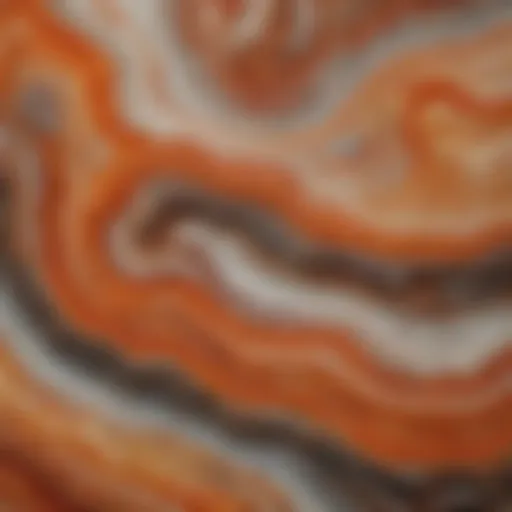
Coyamito agate is renowned for its striking patterns and myriad colors, commonly ranging from browns and reds to greens and blues. Geologically, it is classified as a chalcedony, which is a microcrystalline form of silica. This particular variety hails from the volcanic regions of northern Mexico, specifically the Coyamito area in Chihuahua.
Brief history and significance
Historically, coyamito agate has been utilized by ancient civilizations for various purposes, ranging from decorative items to tools. The locality in Mexico has continuously drawn attention for its unique agate formations, and as a result, it has become a sought-after stone within the gemstone and mineral community. Over the years, artisans have crafted it into exquisite jewelry, sculptures, and abstract art, showcasing its natural beauty. Today, many collectors seek it not just for its aesthetic appeal, but also for its geological and historical significance.
Identification and Classification
How to categorize items
When it comes to categorizing coyamito agate, a few key factors come into play:
- Color: The range of hues can give valuable clues about the type and grade of the stone.
- Pattern: Look for the signature swirls, bands, and eye-like formations that are indicative of high-quality specimens.
- Transparency: Some pieces may have a translucence that can elevate their attractiveness and value.
Tips for identifying key features
To accurately identify coyamito agate, it's essential to consider the following distinctive characteristics:
- Texture: Gently rub the surface; a smooth, waxy feel usually indicates authentic agate.
- Weight: Genuine agate tends to be heavier than similarly-sized synthetic stones.
- Polish: Quality pieces have a high polish that enhances their natural colors and patterns.
"Knowing the distinctive features of coyamito agate not only aids in identification but also deepens the collector's appreciation for this striking gemstone."
By understanding these elements, you will be better equipped to navigate the colorful world of coyamito agate, whether purchasing for your collection or simply exploring its beauty.
Links to further explore:
Preface to Coyamito Agate
Coyamito agate stands out in the world of gemstones and minerals due to its extraordinary beauty and unique characteristics. This captivating type of chalcedony is highly sought after not only by collectors but also by artisans who appreciate its stunning color variations and intricate patterns. The introduction of Coyamito agate in this article will help establish the groundwork for understanding its significance in the mineral kingdom.
By examining both the unique properties and the geological background of Coyamito agate, we can appreciate not just its aesthetic appeal but also the story behind its formation. As we delve into this guide, we will explore the ways in which this agate interacts with nature and the cultural significance it has held over the years.
Definition and Characteristics
Coyamito agate is defined as a specific variety of chalcedony, a microcrystalline form of silica. Its defining characteristic is the striking banding and patterns that resemble tree rings or oceans. These formations result from the inclusion of various minerals and the agate's ability to showcase beautiful translucency.
In terms of color, Coyamito agate can be found in a spectrum of shades, from deep blues and fiery reds to soft pastels. The typical look often includes swirling patterns and unique inclusions, making each piece an individual work of art. The beauty of Coyamito can be appreciated in many forms, whether as polished stones, beads, or even included in larger sculptures.
Geological Background
The geological story of Coyamito agate is fascinating and reflects the complex processes of nature. This gemstone is primarily found in volcanic regions where silica-rich solutions have traveled through porous rocks. These mineral-rich waters seep into cavities and fissures in the rocks, gradually solidifying into unique formations that we identify as agate.
Found primarily in Mexico, specifically near the Coyamito region of Chihuahua, the area's geological history is rich with volcanic activity. The formations here stem from ancient volcanic eruptions that left behind fertile ground for the development of beautiful agates. The interaction of mineral-rich water with the surrounding environment results in the stunning visual appeal of Coyamito agate, offering each collector a glimpse into the earth's dynamic processes.


In summary, understanding Coyamito agate is not just about appreciating its appearance; it is about recognizing the complex geological processes that create such a magnificent stone. The exploration of its definition, characteristics, and the geological history sets the stage for further discussions in our guide.
Formation of Coyamito Agate
The formation of Coyamito agate serves as a fundamental aspect that captivates both novice enthusiasts and seasoned collectors alike. Understanding how this unique stone takes shape offers insights into its beauty, rarity, and characteristics. This section looks closely at the volcanic origins and mineral composition that make Coyamito agate not just a stone, but a piece of geological history etched in time.
Volcanic Origins
Coyamito agate is tied intricately to volcanic activity. Formed in the aftermath of ancient volcanic eruptions, its origins are rooted in basalt and other volcanic materials. When agate forms, molten lava cools and solidifies, trapping volcanic gases and minerals in the process.
One cannot simply overlook the striking beauty that emerges from these fiery beginnings. The interplay of heat and pressure creates pathways for minerals, including silica, to deposit in concentric layers, resulting in the stunning bands and patterns we observe today. This formation process notably takes thousands, if not millions, of years, making each stone a unique record of the earth's geological past.
It’s true that not all agate is created equal. “Lava rocks is where it all begins,” as the old saying goes. The high silica content found in the volcanic ash contributes to the agate's distinctive color spectrum, reflecting hues from deep reds to earthy browns, or even vibrant blues and greens. Each layer tells a story—of time, pressure, and volcanic artistry.
In addition, the localized conditions under which Coyamito agate forms often result in varietal differences. This variability can substantially affect desirability and value in collector circles. The excitement for collectors lies not just in ownership, but also in the endless possibilities of what might be.
Mineral Composition
Delving into the mineral composition provides further understanding of Coyamito agate’s fascinating attributes. The primary component in this wondrous stone is silica, which exists predominantly as quartz. But that’s not the entirety of the story. Throughout its formation, a mix of impurities, such as iron, manganese, and sometimes even organic materials, intermingles with the silica.
- Silica: The backbone of Coyamito agate’s structure, contributing to both its hardness and resilience.
- Iron and Manganese: These impurities provide the vivid color variations, often creating eye-catching patterns and swirls.
- Organic Materials: Occasionally found in some specimens, adding organic textures and inclusions that catch the eye of collectors.
In geological terms, the inclusion of various minerals leads to the phenomenon known as banding. Agate varieties can show layering, with different widths and colors corresponding to the mineral's concentration. These layers create depth—almost as if one can peer into the stone itself.
"The beauty resides not only in the colors but in the very essence of its formation. Each piece of Coyamito agate acts as a diary of the earth's tumultuous past."
Collectors often seek out specific formations—those exhibiting dramatic banding or unique inclusions help to tell a captivating story. Consequently, the mineralogical composition doesn’t just define its structure; it adds to the lore and mystery surrounding each piece.
Physical Properties of Coyamito Agate
Understanding the physical properties of Coyamito agate is vital for collectors and enthusiasts alike. These characteristics not only help in identifying authentic specimens but also play a crucial role in determining their value and usability in various applications, particularly in jewelry and decorative arts. The two key aspects to consider in this respect are color variations and hardness, both of which significantly impact the stone's appeal and functionality.
Color Variations
The color variations of Coyamito agate are, without a doubt, one of its most captivating features. This unique stone can display a spectrum of stunning hues ranging from earthy browns and rich reds to vibrant greens and soft blues. The interplay of these colors often reveals mesmerizing patterns that can resemble flowing rivers, cosmic nebulae, or even layered landscapes, drawing the eye and prompting deeper appreciation.
- Light Interaction: The transparency of the stone can vary, leading to different visual effects based on light exposure. Some pieces appear almost translucent, while others are denser, absorbing light in a profound manner.
- Banding: One defining trait of Coyamito agate is its banding. This characteristic creates striking stripes or dots, adding layers of intricacy to each piece. Collectors often seek out specimens with a distinct banding pattern, as these tend to be more sought after.
- Market Demand: Different colors can dictate market demand. For instance, a fiery red or rare sky-blue variant may fetch a higher price compared to the common browns or grays, underscoring the importance of understanding these hues when evaluating potential purchases.
Hardness and Durability
Hardness and durability are fundamental qualities of Coyamito agate that inform its practical applications and longevity as a collector's item. On the Mohs scale of mineral hardness, Coyamito agate typically registers between 6.5 and 7. This level of hardness is a boon for jewelry designers and collectors alike, ensuring that pieces withstand daily wear while maintaining their stunning beauty.
- Scratch Resistance: Due to its reasonable hardness, Coyamito agate resists scratches better than many softer stones. This resilience is particularly advantageous for rings or bracelets, where continuous friction is a common concern.
- Polishing Potential: The stone can be polished to a high shine, accentuating its colors and patterns beautifully. With proper care, polished pieces can maintain their luster for generations, making them a worthy addition to any collection.
- Environmental Resistance: Unlike some gemstones that can easily be affected by environmental factors, Coyamito agate shows a surprising degree of resistance to wear from time and exposure, enhancing its value in both aesthetic and functional capacities.
"When selecting Coyamito agate, consider both its beauty and its resilience. A piece that combines stunning patterns with notable durability is ideal for both collection and wear."
In summary, the physical properties of color variations and hardness are fundamental to understanding Coyamito agate. Not only do they influence the stone's aesthetic appeal, but they also determine its practicality in everyday use. Collectors should always take these aspects into account when evaluating Coyamito agate, ensuring a comprehensive appreciation of this remarkable mineral.
Historical Significance
Understanding the historical significance of Coyamito agate offers deeper insights into both its cultural value and its role in modern collecting. This stone isn't just a pretty face; it has a rich narrative that intertwines with ancient civilizations and continues to evolve in the present day. Whether it's ancient artisans crafting tools or contemporary collectors seeking unique pieces, the importance of Coyamito agate is complex and layered.
Cultural Importance in Ancient Times
Coyamito agate has roots that reach deep into ancient cultures where stones weren't just decorations, but held profound significance. Ancient Mesoamerican civilizations were known for their craftsmanship in agate. They used this stone in sacred ceremonies and as offerings, believing it had protective powers. Particularly among the Aztec and Maya, agate was associated with the gods, often seen as a symbol of strength and resilience. The intricate patterns within each piece of Coyamito agate were not merely aesthetic; they were seen as manifestations of nature's spirit.
In other parts of the world, such as Mesopotamia, agate was utilized in the creation of seals and engravings. These items played crucial roles in trade and communication. Imagine the meetings held in bustling markets where these engraved stones would signify trust and authority among traders. Positive energy was harnessed by these ancient societies, further cementing the stone's status in historical contexts.


Modern Collecting Trends
Fast forward to today, and Coyamito agate remains a sought-after gem among rock hounds and collectors. The modern marketplace is a different beast, heavily influenced by online platforms and social media, exposing collectors to a vast array of stones from around the globe. Sites like Reddit and specialty Facebook groups have created communities dedicated to sharing knowledge and trading specimens, enhancing the accessibility of unique finds.
However, there's a noticeable shift in trends; contemporary collectors are not just looking for beauty but also the story behind the rocks. The provenance of each piece is essential, with many enthusiasts seeking ethically sourced stones. They ask questions about where the agate came from, how it was mined, and what impact its extraction had on local communities. This trend encourages a deeper connection between the collector and the specimen, fostering an environment of respect for nature and cultural heritage.
"In today’s collecting world, a stone’s story carries more weight than its aesthetic appeal."
Moreover, art galleries and design houses have begun to incorporate Coyamito agate into their pieces, marrying ancient significance with modern aesthetics. Jewelry designers and artisans are capitalizing on the unique colors and patterns, creating one-of-a-kind pieces that tell stories across generations. As awareness grows, this captivating stone evolves from a collection piece into a conduit for cultural appreciation and environmental responsibility.
Uses of Coyamito Agate
Coyamito agate, with its rich hues and intricate patterns, boasts a variety of applications that extend far beyond mere aesthetic appeal. Understanding its uses can deepen appreciation and offer insights into its value within the arts and holistic practices. This versatility arises from its unique characteristics, creating broader appeal across different departments.
In Jewelry and Ornamentation
The jewelry industry welcomes coyamito agate not just for its beauty but also for its unique ornamental qualities. This stone stands out among various gemstones thanks to its vibrant colors, ranging from deep oranges and rich browns to translucent greens and blues—marked by colorful banding and swirls. Designers and artisans use these stunning patterns to craft bespoke pieces, from earrings and pendants to bracelets and rings. The organic nature of coyamito agate allows it to fit seamlessly into both modern and traditional styles.
One of the intriguing aspects of this stone is that no two pieces are alike. Each stone tells a story through its unique pattern, making it especially appealing for custom jewelry. Buyers value the individuality, often seeking out pieces that resonate personally. Given its hardness, it is durable enough for daily wear, making it an option for both casual and formal occasions.
Additionally, cobbled up in other forms of ornamentation, coyamito agate finds its way into carvings, home decor items like coasters, and even sculptures. The natural beauty of this agate stone contributes significantly to its desirability, giving both collectors and casual buyers plenty to engage with. Furthermore, it’s quite affordable compared to high-end gemstones, allowing a wider audience to enjoy its beauty without breaking the bank.
As a Healing Stone
Beyond its aesthetic uses, many cultures regard coyamito agate as a powerful healing stone. Folklores and holistic practices often position this stone as one that brings balance and harmony. Practitioners believe that it can help in stabilizing emotions, alleviating stress, and promoting a sense of calmness—core attributes many relevant to today's fast-paced life.
In healing rituals, coyamito agate is thought to help with clarity of thought, making it an excellent companion for meditation sessions. When used in conjunction, say, with guided meditation practices, it is believed to enhance focus and improve decision-making capabilities. This incorporation into wellness routines can be both spiritual and practical, appealing to many who seek holistic remedies for everyday issues.
Moreover, some use the stone for physical ailments, claiming that it can assist in detoxification, weight loss, and even in bolstering the immune system. Such discussions are rooted more in anecdotal evidence rather than scientific consensus, but it still adds another layer to its growing popularity.
In practice, the uses of coyamito agate are a blend of artful expression and life-enhancing properties. Its dual appeal to both collectors of fine jewelry and advocates for holistic healing makes coyamito agate a remarkable addition to any collection, leaving those who possess it enriched on multiple levels.
Identifying Coyamito Agate
In the realm of mineral collecting, knowing how to identify various stones is crucial. Coyamito agate, renowned for its striking visual appeal and distinctive patterns, can be both a treasure to possess and a challenge to recognize. This section delves into essential elements that aid enthusiasts in differentiating Coyamito agate from other minerals, evaluating its authenticity, and appreciating its true value.
Visual Characteristics
The first step in identifying Coyamito agate lies in understanding its unique visual characteristics. This variety of chalcedony exhibits a broad spectrum of colors and patterns, often resembling seascapes or natural landscapes.
Some key features to look for include:
- Bands and Swirls: One of the most distinguishing traits of Coyamito agate are the bold bands and swirls that can appear in contrasting colors, such as blues, browns, and whites. These bands often flow in an organic pattern, mirroring the aesthetics of nature.
- Translucency: High-quality Coyamito agate displays a semi-translucent quality. When light passes through it, especially at the edges, one can observe a gentle glow—a hallmark that sets it apart from opaque stones.
- Surface Finish: The surface texture can vary greatly, ranging from smooth and polished to rough or textured. When cut and polished, Coyamito agate can reveal a glossy sheen, enhancing its natural beauty and allowing the colors to truly pop.
As you examine a specimen, pay attention to its specific patterns. No two pieces are alike, making its individual character an integral part of identification. Remember that authentic Coyamito agate will exhibit these features consistently throughout the stone.
Testing for Authenticity
Once the visual aspects are noted, the next step is to determine the authenticity of the specimen. This ensures that collectors are not misled by synthetic or imitative stones. There are several methods to test for authenticity:
- Water Test: A simple method involves placing the stone in water. Authentic Coyamito agate should sink due to its density. If the specimen floats, it may not be genuine.
- Scratch Test: Coyamito agate should rank around 6.5 to 7 on the Mohs hardness scale. By using a piece of glass or a knife blade lightly, you can test if the surface scratches or remains unblemished. A genuine specimen will resist scratching.
- Professional Appraisal: If in doubt, consulting with a professional gemologist or appraiser can offer valuable insights. They use advanced techniques like refractive index measurement and specific gravity tests to guarantee authenticity.
"It's not just about the rock; it's about the story it tells. Take the time to know your agate."
In the fast-paced world of collecting, navigating the sea of stones can be perplexing. Understanding how to identify Coyamito agate empowers collectors with confidence, ensuring that each piece in their collection is genuine and adds real value. By fostering a deeper knowledge of its visual traits and methods of authenticity testing, one can truly appreciate the wonder of this captivating stone.
Coyamito Agate in the Marketplace


Coyamito agate has carved out a prominent niche in the marketplace, appealing to collectors and enthusiasts alike. Its intriguing patterns, coupled with a variety of colorations, make it a sought-after item for those who value unique mineral specimens. Understanding how to navigate the marketplace for this striking stone is crucial, as it brings with it both opportunities and challenges.
Evaluating Value and Rarity
When it comes to Coyamito agate, the value is not just determined by its aesthetic appeal. Several factors come into play:
- Pattern and Color: The uniqueness of the pattern is a significant factor. Each piece tells its own story through its swirls and shapes. Rich, vibrant colors fetch more in the market; a deep orange with intricate bands often rates higher than lighter shades.
- Size and Shape: Larger specimens or those that are perfectly shaped can command a premium price. If you're holding a sizable piece that's ideal for display, you're looking at a good investment.
- Provenance: The source of the agate can impact its rarity. If you can trace it back to the specific layers of volcanic rock in Mexico where it originated, this adds a layer of desirability.
- Condition: Flaws can diminish a stone's value. Chips, cracks, or scratches are red flags. Always inspect thoroughly.
Evaluating Coyamito agate isn’t merely an art; it requires a keen eye for detail and a deep understanding of the market trends. Experts often advise starting with a base research on current market prices, which can be easily done on platforms like eBay or Etsy to gauge what collectors are willing to pay. Prioritize pieces that stand out but also feel right in your collection.
Popular Selling Platforms
The rise of online marketplaces has transformed the way Coyamito agate is bought and sold. Here are some of the most effective places to consider:
- Etsy: Known for handcrafted and unique items, Etsy is a popular choice for artisans selling fine examples of Coyamito agate jewelry and decor. The personal touch often found here adds value to the items.
- eBay: A classic choice for collectors, here you can find a range of Coyamito agate from various sellers, allowing for price comparison and bidding opportunities on rare finds.
- Facebook Marketplace: Local buying can often yield hidden gems. Here, buyers can negotiate and even inspect the goods before purchasing.
- Rock Shows and Mineral Fairs: Attending these events can bring you face-to-face with vendors and other collectors. You can examine the stones closely and sometimes negotiate directly.
- Specialized Forums and Community Sites: Websites like Reddit and rockhounding forums often have sections dedicated to sales and swaps. Connecting within these communities can lead to rare finds and insightful advice.
In today's digital world, knowing where to look for Coyamito agate can significantly enhance your collection.
As you navigate these platforms, keep in mind that research is your best friend. Understanding current values and popularity can help you make informed purchases or sales. Ultimately, whether buying or selling, knowing the market can elevate your experience in the captivating world of Coyamito agate.
Sustainability in Collection and Mining
When discussing the world of Coyamito agate, sustainability in collection and mining surfaces as a significant topic. The beauty and allure of this stone are undeniable, but the methods employed during its extraction can pose challenges—not just to the environment, but to the communities involved in its trade. A keen understanding of sustainable practices can greatly benefit collectors and sellers alike, ensuring that the charm of this mineral endures for future generations.
Ethical Sourcing Practices
Ethical sourcing practices serve as the backbone of sustainable collection. This means that collectors should prioritize obtaining Coyamito agate from sources that respect environmental regulations and local communities. To start, it’s essential to ask:
- Where is the stone harvested?
- Are local miners compensated fairly?
- Is the extraction process harming the ecosystem?
By answering these questions, collectors ensure they aren't inadvertently supporting exploitative practices. Fossil collectors should aim to buy from reputable dealers who can provide transparency in their supply chain. Consideration for worker conditions is just as vital as geologic integrity; fair wages can elevate community standards and enhance the quality of life.
"An ethically sourced stone not only sparkles better in your collection, but it also glitters for the people who brought it to you."
Furthermore, to stay informed, collectors can explore organizations focused on ethical mining practices. Websites like ethicalstonealliance.org highlight various issues and advocate for responsible mining. This gives rock and fossil enthusiasts a compass to navigate ethical dilemmas.
Impact on Local Ecosystems
The impact of mining on local ecosystems is a complex issue, often overlooked when one focuses only on the aesthetic value of agate. When Coyamito agate is extracted without a care, it can lead to soil erosion, water contamination, and habitat destruction. One needs a delicate balance between mining and conservation.
Consider the following potential impacts:
- Soil Erosion: Unregulated mining can strip the land of its protective vegetation, resulting in loss of soil nutrients.
- Loss of Biodiversity: Disturbance to habitat can drive wildlife away and, in some cases, lead to endangerment of local species.
- Water Pollution: Chemicals used in extraction can seep into local water supplies, affecting both flora and fauna.
These challenges indicate a pressing need for stricter regulations in the mining of Coyamito agate. Sustainable mining practices often include repositioning disturbed land, implementing retention ponds to manage runoff, and minimizing land disruption. Supporting operations that adhere to these methods can significantly mitigate ecological harm.
Collectively, when enthusiasts choose to advocate for sustainability in Coyamito agate collection and mining, they contribute to preserving not only the stone itself but also the landscapes they are found in. For those interested in diving deeper into the environmental impact of mining, resources like miningfacts.org are excellent for further reading.
Epilogue
The exploration of Coyamito Agate culminates in a reflection on its multifaceted significance. It’s not merely a visually stunning stone, but a repository of geological history and cultural heritage. Throughout this article, we have uncovered the intricate tales that these stones can tell, and how they resonate through the craftsmanship of artisans and collectors alike.
Summary of Key Insights
In summary, the insights gleaned from examining Coyamito Agate encompass its formation processes, from volcanic origins to the mineral composition that results in its unique patterns. Recognizing various color variations, hardness, durability, and how these properties affect its appeal have been essential aspects. Moreover, we looked into its cultural impact, both ancient and modern, showcasing why it has remained relevant in today’s market. Here are some key points to take away:
- Geological Origins: Coyamito Agate is formed under specific volcanic conditions, giving it unique properties in comparison to other forms of agate.
- Cultural Relevance: The historical importance of Coyamito Agate illustrates its role beyond decoration, entering realms of beliefs and practices in ancient societies.
- Market Demand: Understanding the fluctuating value and rarity of these stones can guide collectors in their acquisitions.
- Ethical Considerations: As awareness of sustainable sourcing grows, the community must navigate the implications of mining practices and their impact on local ecosystems.
Future Trends in Coyamito Agate Collecting
Looking ahead, the future of Coyamito Agate collecting appears promising yet intertwined with greater responsibilities. As the popularity surges, collectors must remain vigilant about the sources of their stones, advocating for ethical mining practices that prioritize environmental sustainability. There are several emerging trends worth noting:
- Increased Awareness: Collectors are becoming more informed about sustainable sourcing and ethical practices, making conscious choices in their purchases.
- Collaboration with Local Communities: Sustainable practices often involve partnerships with local communities, ensuring that they benefit from the mining process rather than suffer from its repercussions.
- Integration of Technology: Advances in technology may assist in verifying the authenticity of Coyamito Agate, ensuring that its beauty comes with a transparent value.
- Focus on Education: Workshops and webinars are becoming popular for enthusiasts to sharpen their knowledge on identification, care, and value assessment of their collections.
Collectively, these insights guide future collectors and enthusiasts toward a more conscious approach in their engagement with Coyamito Agate, ensuring that the beauty of these stones is preserved for generations to come.