Exploring Allosaurus Skull Replicas: Significance and Craft

Intro
When we talk about Allosaurus skull replicas, we’re not just discussing hunk of plastic or gypsum. We’re diving into a captured moment of ancient history, a tangible link to a creature that roamed the Earth more than 150 million years ago. These replicas serve as more than mere decoration; they are educational tools, keys to understanding the past, and significant components in the community of fossil collectors and enthusiasts. As we peel back the layers of intrigue surrounding these artifacts, we unveil their artistic interpretations, construction methods, and their role in bringing paleontology to a broader audience.
Topic Overview
Definition of the Collectible
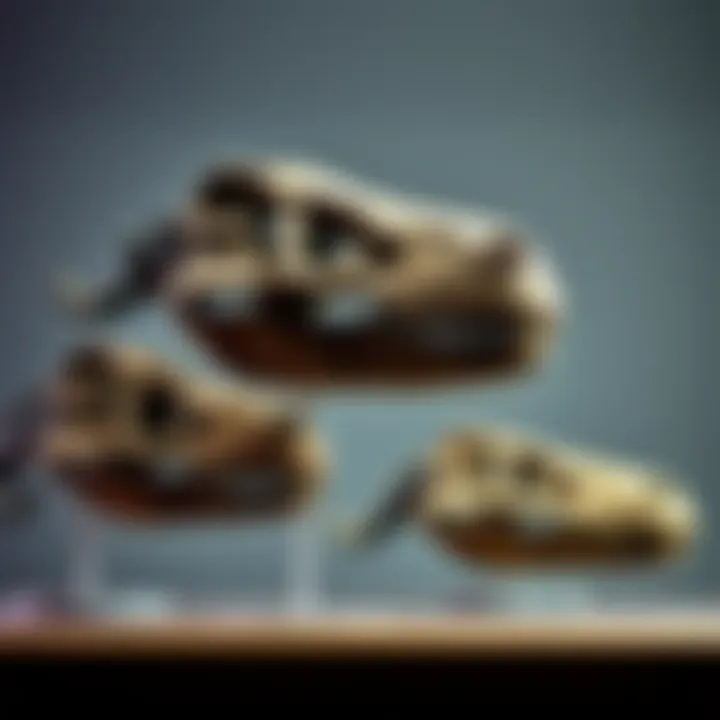
Allosaurus skull replicas are crafted imitations of the skull of the Allosaurus, a large predator from the late Jurassic period. Made from materials like resin or plaster, they are designed to replicate the form, texture, and sometimes even the color attributes of the original fossil. Collectors often seek these replicas for various reasons: as educational props, for artistic purposes, or simply as prized additions to their collections.
Brief History and Significance
The allure of dinosaur replicas can be traced back to the 19th century when fossil hunting began to gain traction. Interest in the Allosaurus surged following major discoveries in the late 1800s, leading to the first significant fossil finds in Wyoming. Over the decades, as more skeletons were unearthed and analyzed, the fascination with these magnificent creatures only grew. Today, replicas serve not only as a way to display and understand these formidable giants but also help foster appreciation for paleontology among the masses.
Identification and Classification
How to Categorize Items
When navigating the world of Allosaurus skull replicas, it's crucial to possess an understanding of how items are categorized. Replicas can vary significantly in quality, scale, and detail. Collectors often group them based on the following attributes:
- Scale: Ranging from life-sized to miniature, larger items often fetch higher prices.
- Material: Different materials influence both cost and durability; for example, resin models can be more affordable, while hand-cast ceramics might be pricier.
- Artistic Detail: Higher quality replicas will showcase more intricate detailing, closely mimicking the original skull's features.
Tips for Identifying Key Features
The art of spotting a well-made Allosaurus skull replica relies on keen observation. Here are some pointers:
- Texture and Detail: Genuine replicas will exhibit texture that resembles bone, with swirls and grooves similar to those of the real fossils.
- Coloration: They can range from traditional grayscale tones mimicking fossilized bone to more vibrant interpretations used for artistic appeal. Be wary of overly glossy finishes that seem unnatural.
- Proportions: Comparing the replica to established images of the Allosaurus skull can help detect inaccuracies. Look for any unusual elongation or disfigured form.
Prelims to Allosaurus Skull Replicas
The allure of Allosaurus skull replicas brings a captivating dimension to the realm of paleontology and fossil collecting. These artifacts serve as more than mere decorations; they embody the historical and scientific narratives of a fascinating prehistoric creature. Understanding their significance and the broader context of their existence not only enhances appreciation for paleontological studies but also enriches the experience of collectors and enthusiasts alike.
Definition and Significance
An Allosaurus skull replica is a reproduction that captures the intricate details of the original skull, ensuring that both accuracy and artistry are complemented. These replicas are significant for various reasons. Firstly, they allow a tangible connection to a creature that roamed the Earth millions of years ago, enabling enthusiasts to grasp the sheer size and complexity of its anatomy without needing access to a fossilized specimen, which might be out of reach for most. Moreover, these replicas are educational tools that help demonstrate important aspects of evolutionary biology and paleoenvironments.
Replicas can vary in quality and context, which offers an opportunity for collectors to choose pieces that align with their educational goals or aesthetic preferences. Whether it’s a meticulously painted replica displaying the intricate textures of bone or a simplified version emphasizing basic anatomy, each serves a role in interpreting the Allosaurus’s history and significance. It's not just about having a piece of history on display; it’s about understanding what it represents and the stories it could tell.
Historical Context
When discussing Allosaurus and its fossils, one must go back to the late 19th century when the first bones were discovered in what is now Colorado. These remains became a cornerstone for understanding Jurassic period predators. The significance of Allosaurus as a relatively advanced theropod began to take shape as paleontologists unearthed more fossils.
As the science of paleontology evolved, so did techniques to create high-quality replicas. Initially, these were largely made from plaster and required intricate handwork. Today, however, technological advancements allow for digital modeling and 3D printing, resulting in more precise replicas produced in a fraction of the time.
Understanding the evolution of replica creation reflects the changing landscape of both technology and paleontological study. The replicas today are not merely tools or decorations; they are insights into what it meant to be a theropod like the Allosaurus. The historical context of these artifacts underscores their value—not just as collectibles, but as educational resources that bring the distant past into the present.
"Replicas of dinosaurs are the bridge between the past and the present, allowing us to visualize Earth's ancient inhabitants in our world today."
In sum, the exploration of Allosaurus skull replicas opens a window into a world where the intersection of art, science, and history creates a richer understanding of our planet’s prehistoric heritage. The interests of collectors and the educational implications of such artifacts combine to form a narrative that is both engaging and enlightening.
Paleontological Insight
In the field of paleontology, insights derived from studying fossil specimens contribute significantly to our understanding of prehistoric life. Among these, the study of Allosaurus skull replicas reveals intricate details about not just the species itself, but the broader dynamics of the ecosystem during the Late Jurassic period.
Skull replicas serve as tangible links to the past, allowing both amateur enthusiasts and seasoned paleontologists a chance to delve into the life of a predator that roamed the Earth over 150 million years ago. The insights garnered from these models help illustrate vital points such as behavioral traits, hunting methodologies, and physiological adaptations. For collectors, each replica offers a unique opportunity to enhance their understanding of the species, while for educators, they become invaluable tools that assist in conveying complex concepts to students.
Allosaurus Overview
Allosaurus is often celebrated for its role as one of the dominant predators of its time. With its formidable size, reaching lengths of up to 12 meters, this dinosaur possessed physical features that were notably suited for swift predation. Characterized by a relatively lightweight skull compared to its massive body, it strikes a fascinating balance that allowed for agility while maintaining strength. Paleontologists believe that its robust skull, with sharp serrated teeth, was designed for slicing through flesh, showcasing the efficiency of its hunting strategies.
Moreover, Allosaurus skulls reveal vital information about its ecology. For instance, the shape and design of the skull provide clues on how this dinosaur might have actively hunted—working in packs or honing in on vulnerable prey, likely herbivorous dinosaurs. Insights into dietary habits and social behavior emerge through studying the crests and indentations on these skulls, which could suggest intraspecies communication or even display characteristics.
Skull Features and Functionality
The skull of Allosaurus is a marvel of evolutionary adaptation, showcasing several features designed for survival and efficiency. One of the primary aspects is its unique cranial structure, which includes large openings or fenestra that significantly reduce the weight of the skull while maintaining strength. These openings, coupled with a flexible jaw, suggest that the Allosaurus could apply considerable force when biting, a trait essential for a predator.
Furthermore, features like the distinctive tooth pattern—broad at the base with sharp edges—indicate its feeding habits. This design allowed the Allosaurus to penetrate tough hides of prey effectively.


When considering functionality, it’s crucial to note how the skull’s various systems worked in harmony—sensory capabilities, for instance. The arrangement of the eyes suggests a degree of binocular vision, essential for gauging distances when stalking prey. This aspect combined with its spatial awareness created a predator perfectly suited for a dynamic environment.
The intricate interplay of form and function within the Allosaurus skull not only demonstrates evolutionary ingenuity but also serves as a critical focal point for understanding the species' lifestyle and its interactions within the Jurassic ecosystem. The study of skull replicas thus becomes an essential gateway for both education and exploration in the fascinating world of paleontology.
Construction of Skull Replicas
The construction of Allosaurus skull replicas is a fascinating intersection of art, science, and technology. This topic emphasizes the importance of understanding the materials and techniques involved, serving not only to educate potential collectors but also to provide insight into the craftsmanship that goes into creating these stunning artifacts. As replicas become more popular, the methods of their construction play a crucial role in determining their accuracy, durability, and overall aesthetic appeal.
Materials Used
Resin
Resin stands out as a material that offers a balance between durability and detail. Known for its flexibility in molding, resin can reproduce even the finest textures of the Allosaurus skull, capturing every ridge and contour with remarkable precision. Its lightweight nature makes it easier to handle, a significant advantage for both collectors and educators. One of the unique properties of resin is its ability to retain vibrancy in color, which means that replicas can be painted to closely resemble the actual fossil. However, its susceptibility to UV light can cause discoloration over time if not properly cared for.
In summary, resin is a favored choice because of:
- Durability: Can withstand wear and tear, making it ideal for display.
- Detail Retention: Able to reproduce intricate designs.
- Aesthetic Value: Colors remain bright with proper care.
On the flip side, the potential downsides include sensitivity to heat and the need for careful storage.
Plaster
When it comes to affordability and accessibility, plaster is often championed. It's a traditional material that has been used in various fields due to its ease of use and cost-effectiveness. The main appeal of plaster lies in its capability to replicate detailed features without breaking the bank. Replica skulls made of plaster can be quite realistic, though they tend to lack the resilience of resin counterparts. The unique feature of plaster is its capacity to be modified with combinations of sand and other materials, which can create different textures on the surface.
The benefits of using plaster include:
- Cost-Effective: Generally less expensive, making it approachable for hobbyists.
- Easily Accessible: Available in most craft stores and tools easy to obtain.
However, the disadvantages are notable:
- Brittleness: More prone to cracking and damage compared to resin.
- Weight: Heavier, which might make display more challenging.
3D Printing
3D printing has revolutionized the way skull replicas are produced, bringing with it a wave of innovation. The primary advantage of this method is precision; each layer is crafted with technology that ensures accuracy down to minute details. Additionally, 3D printing allows for customization, meaning collectors can obtain replicas that might not be widely available elsewhere. Using digital models, creators can iterate designs quickly, making this method efficient in producing one-off pieces or small batches.
Key characteristics that make 3D printing appealing include:
- Customization: Easy to create unique designs based on individual specifications.
- High Precision: Captures intricate details that might be missed with manual methods.
However, this method isn’t without challenges:
- Material Limitations: Depending on the printer, the quality of materials might vary.
- Cost: Initial setup fees for 3D printing can lead to higher prices for produced items.
Techniques and Processes
Molding and Casting
One of the most fundamental aspects of creating replicas is the molding and casting process. This method enables artists to create molds of existing fossils, ensuring that the final product mirrors the original as closely as possible. The materials typically used in molding are silicone or rubber, which allow for the capture of fine features without losing detail during the demolding process. One of the primary benefits of this technique is its reproducibility—once a mold is made, multiple replicas can be produced from it, contributing to accessibility for collectors.
Nevertheless, the potential downsides include:
- Time Consuming: Each step in the process can take a considerable amount of time.
- Initial Cost: Creating and setting up molds can be costly.
Digital Sculpting
Digital sculpting has emerged as a cutting-edge method for producing skull replicas, often complementing traditional sculpting practices. This technique utilizes software to create detailed digital models that can be manipulated easily, allowing for revisions and refinements. The significant advantage here is the ability to produce complex shapes that would be notably more difficult to achieve by hand. Digital sculpting not only speeds up production but also aids in the creation of molds for casting.
Key highlights include:
- Efficiency: Changes can be made quickly without starting from scratch.
- Precision: Models are often more accurate due to digital calculations.
However, digital sculpting does come with concerns:
- Technical Skills Required: A steep learning curve for those unfamiliar with digital software.
- Dependence on Technology: Requires reliable hardware and software capabilities.
This entire process of constructing replicas invites enthusiasts to appreciate the blend of art and science that goes into recreating such magnificent pieces of history. Each method and material offers unique benefits and challenges, underscoring the multifaceted nature of crafting Allosaurus skull replicas.
Artistic Interpretations
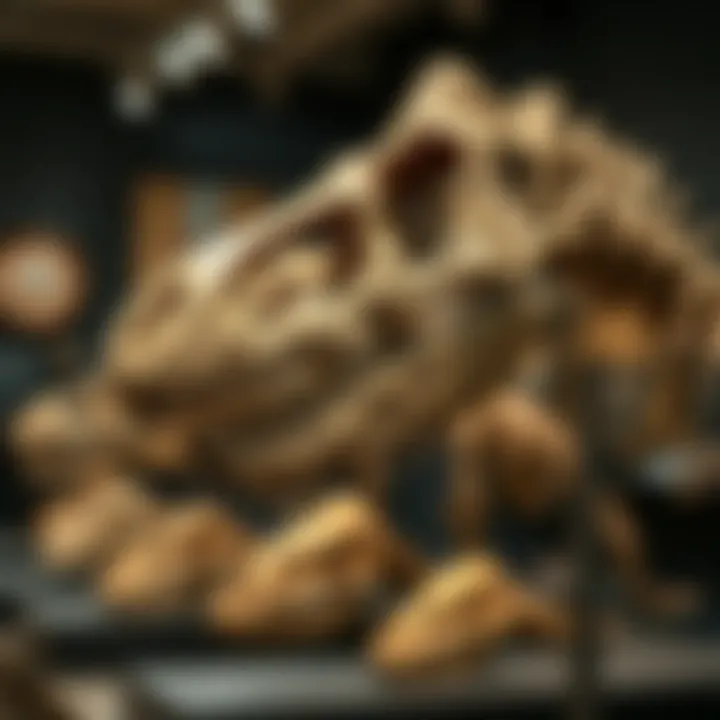
Artistic interpretations play a crucial role in understanding and appreciating Allosaurus skull replicas. These creations not only serve as educational tools but also as pieces of art that evoke curiosity and wonder about prehistoric life. Through various design choices, artists and scientists can highlight different aspects of the Allosaurus, allowing viewers to connect more deeply with these ancient creatures.
Diversity of Designs
The diversity of designs in Allosaurus skull replicas is vast, reflecting not just the scientific aspects but also the creative expressions of the artists involved. From hyper-realistic models that attempt to recreate every minute detail of the skull structure to stylized versions that take liberties with form and color, the options are nearly endless. This variety caters to different audiences—some may prefer the scientifically accurate renditions that are meticulously referred to fossils, while others might be drawn to the more imaginative interpretations that inspire a sense of wonder.
"Art is not what you see, but what you make others see." – Edgar Degas
In crafting these designs, artists often consider the intended use for the replica: educational demonstrations, museum displays, or personal collections. For instance, a replica meant for academic purposes might emphasize detailed anatomical features, while one destined for display in a home might focus on aesthetic appeal. The blending of artistry and science in this context creates a dialogue that enriches the viewer's experience.
Realism vs. Aestheticism
Balancing realism with aestheticism is one of the primary challenges faced by artists creating Allosaurus skull replicas. Each choice carries its own weight and significance in conveying information and imaginative interpretation.
Scientific Accuracy
The hallmark of scientific accuracy is its commitment to depict the Allosaurus faithfully based on fossil evidence. This aspect ensures that viewers receive a valid educational experience and can understand the anatomy and potential behaviors of the creature. A key characteristic of scientific accuracy is the use of paleontological research findings as foundational elements in creating replicas. A prime example would be the use of anatomical features like the large eye sockets or the row of bony crests that run along the skull—details grounded in scientific study.
The benefit of focusing on scientific accuracy is clear: it engages both novice enthusiasts and serious collectors, fostering deeper discussions about paleontology and evolutionary biology. However, a potential drawback is that overly rigid adherence to scientific methods can sometimes stifle artistic creativity, leading to pieces that may lack character or appeal.
Artistic License
In contrast, artistic license allows for more freedom and creativity in the representation of the Allosaurus skull. This approach can result in whimsical designs that may not conform to strict anatomical accuracy but spark intrigue and imagination. For instance, an artist might exaggerate certain features to capture the ferocity of the Allosaurus, distorting elements like the jaw line or color to evoke a feeling rather than present fact.
A unique feature of utilizing artistic license is its ability to appeal to a broader audience, including those unfamiliar with paleontological concepts. By presenting the Allosaurus in a captivating manner, artists can engage people and invite them to explore the science behind these creatures. However, such interpretations may be criticized for potentially misleading viewers about the actual appearance and behavior of the dinosaur.
In summary, the realm of artistic interpretations of Allosaurus skull replicas is a rich field that straddles the line between scientific precision and creative expression. Each design presents an opportunity to explore the past, prompting discussion and igniting interest in paleontology and the arts, all while enhancing the appreciation of these remarkable replicas.
For those who are interested in diving deeper into the artistic side of paleontology, resources such as Wikipedia and Britannica can provide more context.
The Role in Education
Education plays a pivotal role when it comes to Allosaurus skull replicas. These replicas serve not just as lifeless objects but as dynamic tools that ignite curiosity and foster a deeper understanding of paleontology. Their presence in educational settings underscores the importance of hands-on learning experiences, especially in a field that often feels distant and abstract.
Promoting Paleontological Awareness
Bringing the world of dinosaurs to life is no small feat, yet Allosaurus skull replicas do exactly that. They demystify the ancient creatures that once roamed our planet, serving as tangible links to a time long gone. By displaying these replicas in museums and educational institutions, educators can promote paleontological awareness effectively.
- Visual and tactile engagement: Students can approach the skulls, observe their features up close, and develop a tangible connection to the material. The act of physically interacting with a replica often leads to heightened interest and retention of knowledge.
- Inspiring further investigation: When learners encounter these lifelike replicas, they are often curious enough to ask questions that lead to deeper research. Teachers can use these inquiries as stepping stones to introduce broader concepts, such as evolution, extinction, and the science behind fossilization.
With the rise of digital platforms, some educators are also using virtual replicas to widen access. However, nothing fully replaces the experience of seeing relics up close. The real skull, with its intricate design, challenges and amazes many who encounter it.
Utilization in Academic Settings
In academic settings, the inclusion of Allosaurus skull replicas finds its place in classrooms, laboratories, and beyond. They’re tools for both educators and students alike, facilitating diverse learning styles while presenting complex ideas in a simplified manner.
- Group discussions and collaborative learning: These replicas often become the centerpieces for group activities where students can discuss anatomical features, compare them with other dinosaur species, or even debate their implications in understanding prehistoric ecosystems.
- Interdisciplinary learning: Beyond paleontology, replicas can be used to engage students in subjects like geology, art, and history. For instance, discussions on the material used in construction can open doors to geology, while the artistic interpretation of these pieces invites students to explore aesthetics in science.
"Allosaurus skull replicas serve as bridges connecting young minds to the ancient past, inviting them to explore and question the world around them."
As demand for such educational resources grows, many institutions are beginning to incorporate engaging programs around them. Workshops, lectures, and even guided tours can transform a visit into a memorable educational experience.
Market Dynamics
Understanding the market dynamics surrounding Allosaurus skull replicas involves more than just financial transactions. It's a rich tapestry woven from the threads of supply, demand, artistry, and scientific inquiry. In today’s world, where fossil replicas are gaining traction among collectors and educators alike, knowing how these dynamics work is crucial for both buyers and sellers' alike.
The market for Allosaurus skull replicas reflects more than just a trend; it signifies an increasing public interest in paleontology and prehistoric life. As enthusiasts seek to acquire these artifacts, they drive demand, which in turn affects prices and availability. Moreover, the quality and authenticity of replicas play critical roles in valuation. High-quality prints often command higher prices, especially when crafted by reputable artists or institutions. Conversely, less meticulous replicas can undercut market value but may offer accessibility to those on tighter budgets, thereby broadening the collector base.
It's also noteworthy how the rise of online marketplaces has transformed these market nuances. Enthusiasts can now find a wide range of replicas from various sources. This digital landscape promotes competition among sellers, leading to variances in price and quality that can boggle the mind.
"Navigating the market for Allosaurus skull replicas reflects a fusion of art, science, and commerce that continues to evolve."
Value Assessment
Determining the value of Allosaurus skull replicas is not just a matter of throwing numbers around. It involves a meticulous examination of various factors. One key consideration is the origin of the replica. For example, pieces produced for educational institutions like the Smithsonian might inherently hold a different value compared to privately made replicas. This is commonly seen in the materials used: high-quality resin or cast plaster often rates higher than standard materials.
Another aspect to keep in mind is the artistry involved in the creation. Some artisans develop designs that are strikingly accurate representations of the original skull, while others might stretch the boundaries toward abstract forms to enhance aesthetic appeal. Collectors often weigh craftsmanship heavily in their assessments.
Further still, there’s the nostalgia factor. Collectors may also evaluate how an item resonates with them personally. A piece that evokes memories of a pivotal moment in their educational journey may be valued far beyond its material worth.
Collectors and Seller Interactions
The interaction between collectors and sellers adds another layer to the complex market dynamics around Allosaurus skull replicas. With the advent of online trading platforms and social media groups, interactions have become increasingly fluid. Sellers, often knowledgeable about their offerings, establish rapport with collectors, providing them with insight that goes beyond mere sales pitches.
Moreover, seasoned collectors tend to share their experiences and expertise, creating a collaborative environment where both parties benefit. For novice collectors, this community acts as a repository of wisdom and advice, guiding them toward significant purchases.
It's also worth mentioning how negotiations can play out. The back-and-forth discussions about price can lead to exchange beyond just monetizing the replica itself.
- Trust in Quality: Sellers who stand firmly behind their products often gain repeat buyers.
- Networking Opportunities: Events and exhibitions surrounding paleo-collectibles foster personal connections that can affect purchasing decisions.
- Market Trends: Collectors often exchange thoughts on evolving trends, impacting future purchases and sales.
In summary, the market dynamics of Allosaurus skull replicas encapsulate a blend of financial acumen, artistry, and human interaction. Understanding these dynamics not only empowers collectors but enhances the community spirit inherent in the world of paleontology.
Cultural Impact
The cultural impact of Allosaurus skull replicas extends beyond mere education; they play a significant role in shaping our understanding of prehistoric life. By bridging the gap between science and the public, these replicas foster a deeper appreciation for paleontology. They not only serve as educational tools but also spark curiosity, igniting the imagination of enthusiasts and novices alike.
Media Representation
In recent years, the representation of Allosaurus skulls in various media forms has showcased their importance. Movies, documentaries, and television shows often depict these impressive skulls to highlight the grandeur of dinosaurs. From the jaw-dropping scenes in Jurassic Park to educational series on platforms like National Geographic, the visual appeal of a skull replica captures attention.
A notable example is the use of Allosaurus skeletons in films. These portrayals serve to simultaneously entertain and inform. They depict the massive size and predatory characteristics of the Allosaurus, making it a subject of fascination. This constant visibility in visual media not only contributes to public interest but also alters perceptions of dinosaurs as living creatures, rather than as mere artifacts of history.
Moreover, museum exhibitions leverage the allure of these skulls. The realistic nature of replicas provokes awe and wonder, encouraging visitors to forge a connection with the past — prompting them to think about evolution, extinction, and the mysteries of life and death. This approach reinforces the significance of preserving our natural heritage.
Influence on Public Perception
The perception of dinosaurs wields an enduring influence on societal attitudes towards science and history. As Allosaurus replicas become common in educational settings, they facilitate discussions about paleontological subjects while breaking down complex scientific concepts into digestible information.
"Dinosaurs aren’t just dead reptiles; they’re part of a narrative that connects us to earth’s history."
This shift in perception emphasizes the relevance of paleontological study in contemporary society. When individuals see a well-crafted replica up close — to see the texture, the intricacies, even the imagined ferocity — it fosters a greater understanding of evolution and extinction, connecting them more profoundly to the reality of biological timelines.
Schools often incorporate these replicas into their curriculum to illustrate these concepts. In fostering an environment where students can observe and interact with a tangible representation of a dinosaur, they encourage inquisitiveness about various areas of science. As a result, students often feel motivated to engage with both geology and biology, creating a more informed and passionate generation.
Preservation and Conservation
The significance of preservation and conservation in the realm of Allosaurus skull replicas cannot be overstated. These replicas serve not only as educational tools but also as artifacts reflecting the intersection of science and art—requiring thoughtful care to remain relevant and accessible. Ensuring their longevity involves understanding specific elements like care practices, environmental factors, and ethical replication processes, which foster not only the physical durability of the replicas but also their scientific integrity.
Care and Maintenance of Replicas
Taking care of Allosaurus skull replicas means more than just keeping them dust-free. It encompasses a detailed understanding of the materials used in their creation and how these materials interact with the environment. Here are some key points about maintaining these valuable pieces:
- Regular Cleaning: Regularly dusting the replicas is crucial. Use a soft, dry microfiber cloth to prevent scratching delicate surfaces. Avoid harsh chemicals, as they can damage the finish and details.
- Optimal Display Conditions: Replicas should be displayed in environments where temperature and humidity are controlled. Extreme changes in these factors can warp or crack materials, especially resin or plaster. Ideally, keep the temperature between 65°F and 75°F and humidity at 40-60%.
- Limit Sun Exposure: Direct sunlight can fade colors and damage materials over time. Position replicas away from windows or use UV-filtering glass in display cases to shield them from harmful rays.
- Routine Inspections: Periodically inspect the replicas for any signs of wear or damage. Early detection allows for prompt repairs, which can save the integrity of the piece.
"Proper care of display replicas ensures they tell the story of prehistoric life without losing their charm or educational value."
By adhering to these practices, collectors can ensure that their Allosaurus skull replicas not only retain their aesthetic appeal but also remain scientifically accurate representations of the past.
Ethical Considerations in Replication
The ethics surrounding the replication of Allosaurus skulls is a topic of lively discussion among collectors and scholars alike. Here are a few considerations that are paramount:
- Scientific Accuracy vs. Aesthetic Choices: When replicating a skull, how closely should the replica reflect the underlying science? Ethical replication demands a commitment to accuracy, especially when these replicas are used in educational settings. Misleading representations could contribute to misconceptions.
- Sourcing Materials Responsibly: It is also important to consider where materials for replicas come from. Some creators use sustainable sources or recycled materials in crafting their pieces. This reduces environmental impact and aligns with ethical manufacturing practices.
- Cultural Sensitivity: Replications should respect cultural implications and the significance of the specimens they portray. Engaging with paleontologists and representatives from relevant communities on artistic choices can enhance not only ethical standards but also community relationships.
Ending
The discussion on Allosaurus skull replicas leads us to a multitude of considerations regarding their importance and the future of paleontological studies. These replicas not only serve as educational tools but also foster a broader appreciation for the complexities of our natural history. In essence, they act as bridges connecting the past with the present, allowing us to explore the fascinating world of dinosaurs in tangible ways.
The Future of Allosaurus Skull Replicas
As technology steadily advances, the future of Allosaurus skull replicas is likely to be marked by innovation and creativity. In particular, developments in digital sculpting and 3D printing provide new avenues for constructing more accurate and detailed models. This opens up possibilities for both enhanced educational experiences and more appealing collector items.
Moreover, the integration of augmented reality (AR) could revolutionize how we interact with these replicas. Imagine viewing a skull that not only resembles an Allosaurus but also provides interactive features that let you learn about its environment and habits. Such advancements will ensure that the allure of these models endures, attracting younger generations and fostering a lasting interest in paleontology.
The collaboration between artists and scientists will likewise shape the future landscape of these replicas. By maintaining a dialogue between scientifically accurate depictions and artistic expression, we can ensure that each piece holds both educational merit and aesthetic value. As a result, the market for Allosaurus skull replicas will evolve, with offerings that cater to a diverse range of interests, cultivating both collectors and educators alike.
Final Thoughts on Their Value
In closing, the value of Allosaurus skull replicas extends far beyond mere aesthetics or novelty. They encapsulate a rich history of scientific discovery while simultaneously serving as vessels of education and inspiration. For collectors, each replica represents a piece of a larger puzzle about dinosaurs, forging connections not just with the creatures themselves, but with the broader narratives that shaped our planet.
Furthermore, these replicas enhance museum exhibits and educational programs, prompting curiosity and igniting what could be a lifelong passion for paleontology. Through their careful study and appreciation, we not only preserve historical knowledge but also energize a community passionate about our planet’s past. As the interest in fossils and rocks continues to flourish, Allosaurus skull replicas stand as a testament to humanity's enduring quest to comprehend and celebrate the wonders of our natural world.
"While studying the past is essential, engaging with it through replicas ignites the excitement and curiosity that fuels scientific inquiry."
For further reading, consider resources such as Wikipedia or Britannica. In addition, joining discussions on platforms like Reddit can provide insights from fellow enthusiasts and collectors alike.